

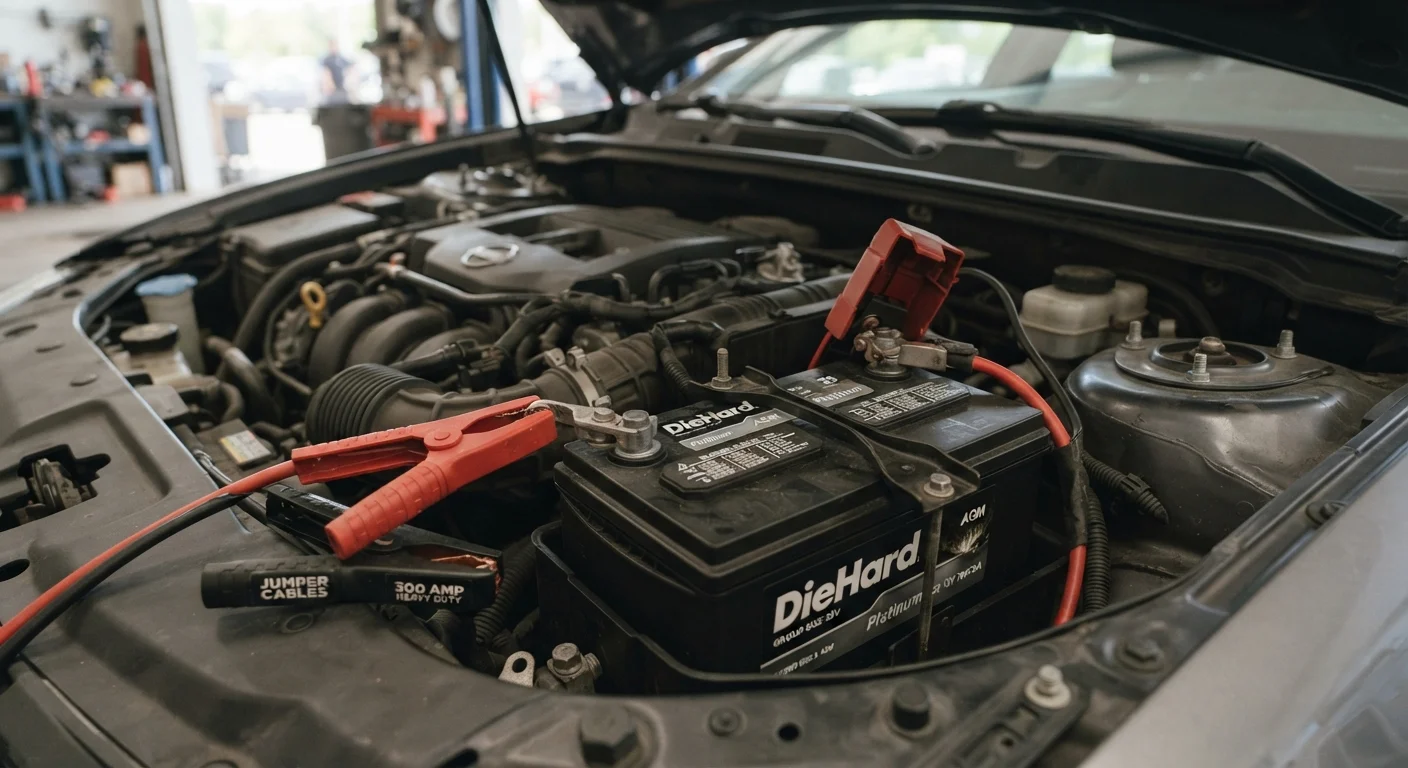
Why Car Batteries Wear Out
A standard 12-volt lead-acid battery - the type found in most passenger vehicles - has a finite number of charge and discharge cycles before its capacity degrades beyond reliable use. Heat accelerates the internal chemical reactions that cause wear, while cold temperatures reduce the battery's ability to deliver the cranking power needed to start an engine. Neither extreme is kind to battery chemistry.
Driving patterns matter just as much as weather. Every time you start your car, the battery discharges a burst of energy. The alternator then recharges it during driving - but only if the trip is long enough. Frequent short trips (typically under 20 minutes) mean the battery is repeatedly partially discharged without ever reaching a full charge, gradually reducing its overall capacity over time. This is one of the most overlooked causes of premature battery failure among everyday drivers.
For a broader look at how battery health fits into overall vehicle upkeep, see the seasonal car maintenance checklist - it covers battery inspection alongside tires, fluids, and brakes by season.
Common Causes of Battery Drain
Understanding what drains a battery helps you avoid the behaviors most likely to cut its life short. Here are the most frequent culprits:
Take longer drives regularly to allow the alternator to fully recharge the battery.
Short trips don't give the alternator enough time to replenish the energy used during startup. Over weeks and months, repeated partial cycling degrades overall battery capacity and shortens its usable life.
Turn off all lights, accessories, and electronics before shutting off the engine.
Leaving interior lights, heated seats, or USB-powered devices running after the engine stops draws directly from the battery with no alternator to compensate. Even a modest drain left overnight can leave you with a dead battery by morning.
Inspect battery terminals every six months and clean corrosion promptly.
Corrosion - the white or blue-green buildup around terminals - increases electrical resistance, meaning the battery has to work harder to deliver power. This extra strain accelerates wear and can cause hard-start conditions even in a healthy battery.
Park in a garage or shaded area whenever possible in extreme temperatures.
Heat is the single biggest accelerant of battery degradation - internal temperatures inside an engine bay on a hot day can significantly exceed ambient air temperature. Cold reduces cranking power, but sustained heat destroys capacity permanently.
Have your battery and charging system tested annually once the battery is two years old.
Battery capacity degrades gradually and invisibly until failure. Annual load testing gives you an objective measure of remaining capacity, letting you replace the battery on your schedule rather than on the side of the road.
Beyond these factors, a phenomenon called parasitic drain - where a vehicle system draws current even when the car is off - can deplete a healthy battery over days or weeks. Common sources include infotainment systems, alarm modules, and aftermarket accessories that aren't properly wired. A qualified mechanic can perform a parasitic draw test with a multimeter to identify the source.
How to Extend Battery Life
The Two-Week Rule for Stored Vehicles
Any vehicle that sits idle for more than two weeks is at risk of battery discharge deep enough to cause sulfation - a form of damage that permanently reduces capacity. A quality battery maintainer (sometimes called a trickle charger) keeps the charge topped off safely without overcharging. This is especially relevant for seasonal vehicles, second cars, or during extended travel.
One habit that many drivers overlook: if your car sits unused for more than two weeks at a stretch - whether due to travel, a second vehicle, or seasonal storage - consider using a trickle charger or battery maintainer to keep the charge topped off. A fully discharged battery can sulfate (meaning lead sulfate crystals form on the plates), permanently reducing its capacity. This is similar to how leaving consumer electronics at zero charge too long degrades their cells - a parallel explored in our piece on extending device lifespan.
Recognizing the Warning Signs
3-5 years
Typical car battery lifespan
According to general industry guidance, most standard lead-acid batteries in passenger vehicles reach end of useful life within three to five years under normal conditions.
~50%
Capacity loss in extreme cold
At 0°F, a lead-acid battery may deliver only about half its rated cranking power compared to performance at 80°F, according to battery chemistry data widely cited by automotive engineers.
A battery doesn't usually fail without warning. Slow engine cranking when you turn the key is one of the clearest early signals. Dashboard warning lights - particularly the battery or check-engine light - may also indicate charging system problems. Dimming headlights at idle, frequent need for jump-starts, and swollen or corroded battery case are all signs the battery may be approaching end of life.
If your battery is more than three years old and showing any of these symptoms, have it load-tested at a repair shop. A load test applies a controlled electrical load to the battery and measures how well it holds voltage - it's a more accurate assessment than a simple voltage reading. Replacing a battery proactively is far less disruptive than an unexpected failure, and it's a routine part of managing car ownership costs over the long term.
Battery Type Affects Expected Lifespan
Absorbent glass mat (AGM) batteries - increasingly common in vehicles with start-stop systems or heavy electronics - typically last longer than conventional flooded lead-acid batteries and handle repeated deep cycling better. If your vehicle came equipped with an AGM battery, replacement with the same type is generally recommended; substituting a conventional battery may not meet the vehicle's charging system requirements. Consult your owner's manual or a qualified mechanic before replacing.
The content on this site is for informational purposes only and is not a substitute for professional advice. Always consult a qualified professional for guidance specific to your situation.