

The Repair-or-Replace Question Is Really a Financial One
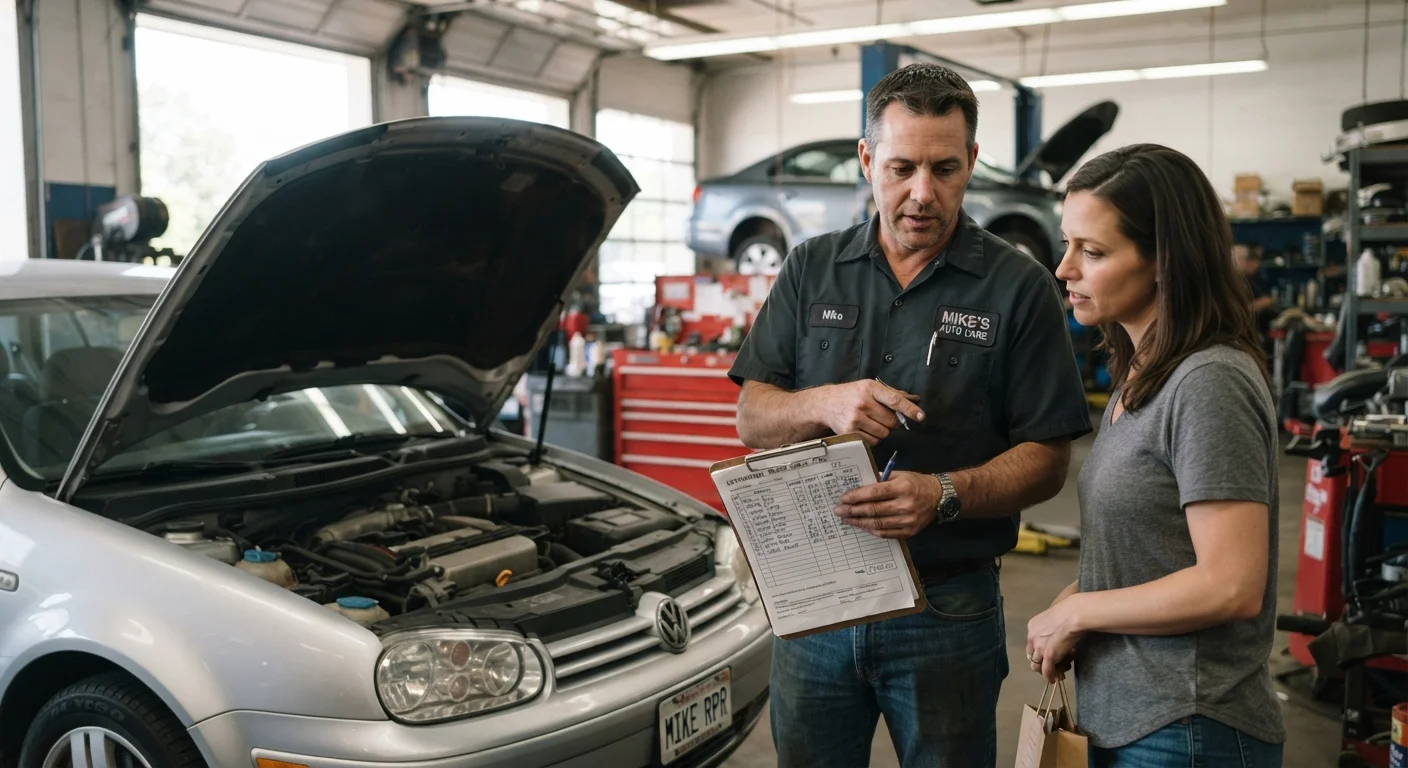
When a mechanic hands you an estimate for a transmission rebuild or a failed head gasket, the gut reaction is often to assume the car is done. In reality, that estimate is just the opening figure in a more nuanced calculation. The decision of whether to repair, keep, or replace a vehicle is fundamentally a financial one — and it deserves the same disciplined thinking you'd apply to any major household expense.
Understanding the full financial picture of car ownership is a useful starting point. Most drivers underestimate how much a replacement vehicle will cost once loan payments, higher insurance premiums, registration fees, and initial depreciation are factored in. A $3,000 repair on a paid-off car may be significantly cheaper over 12 months than $500 monthly payments on a newer model.
“The least expensive car you will ever own is usually the one you already have — provided you maintain it properly and make repair decisions based on data, not anxiety.”
— Consumer Automotive Research Foundation, Industry education and consumer advocacy organization
Best Practices for Evaluating a Large Repair Estimate
These practices are designed to bring structure to what is often an emotionally charged moment. Work through them methodically before committing to either the repair or a replacement.
Get the vehicle's current market value before responding to any estimate.
You cannot assess whether a repair is worthwhile without knowing what the car is worth today. Paying $4,000 to repair a vehicle with a $3,500 market value is a different calculation than the same repair on a car worth $12,000.
Get a second diagnostic opinion on any estimate exceeding $1,000.
Repair estimates can vary significantly between shops. A second opinion not only validates the diagnosis but may surface a lower-cost solution or reveal that the scope of work was overstated.
Calculate the true monthly cost of a replacement vehicle, not just the payment.
Monthly loan payments are only part of the cost of a newer vehicle. Comprehensive and collision insurance requirements, higher registration fees on newer models, and first-year depreciation can add hundreds of dollars monthly beyond the payment itself.
Review the vehicle's repair history to identify a pattern, not just a single event.
One large repair on an otherwise reliable vehicle is very different from a car that has required repeated interventions over two years. Patterns indicate systemic issues that a single repair will not resolve.
Consult your vehicle's manufacturer service schedule before deciding the repair is 'too much'.
Some repairs that feel catastrophic — like timing belt or chain service — are actually scheduled maintenance items on high-mileage vehicles, not signs of broader mechanical failure. Understanding the difference prevents unnecessary replacement decisions.
Quick Steps You Can Take Right Now
If you're sitting with an estimate in hand, a few immediate actions can sharpen your decision considerably.
For a broader look at how repair decisions fit into your vehicle's annual cost picture, see our guide on building a realistic annual car budget.
Review Your Maintenance Records First
Before making any repair or replacement decision, pull together your vehicle's service history. A car with documented, consistent maintenance is a fundamentally different asset than one with gaps. If you haven't been tracking this, our guide to DIY car maintenance vs. taking it to a shop can help you build better habits going forward.
Context: When Repair Is Almost Always the Right Call
Consumer financial guidance generally supports repairing a vehicle when the repair cost is less than roughly half the vehicle's current market value and the car has an otherwise sound maintenance history. This isn't a universal rule — your specific cash flow and transportation needs matter — but it's a durable benchmark worth knowing.
$1,015
Average monthly new vehicle ownership cost (2023)
According to AAA's annual 'Your Driving Costs' study, the average cost of owning and operating a new vehicle exceeded $1,000 per month when including depreciation, financing, insurance, fuel, and maintenance.
12+ years
Average age of vehicles on U.S. roads
S&P Global Mobility has reported the average age of light vehicles in operation in the U.S. has risen above 12 years, reflecting that many drivers are successfully maintaining older vehicles long-term.
Routine and preventive car maintenance reduces the likelihood of large, unexpected repair bills in the first place. Drivers who follow manufacturer service intervals and keep a annual car cost audit tend to catch deteriorating components before they become critical failures.
No Formula Works for Every Situation
General benchmarks — like the 50% rule — are useful thinking tools but not universal prescriptions. Your income stability, access to alternative transportation, credit profile, and risk tolerance all influence what the right call is for your household. For complex financial decisions, consulting a qualified financial adviser is always appropriate.
This article is for general informational purposes only and does not constitute financial or legal advice. Consult a qualified financial professional for guidance tailored to your personal situation.
The content on this site is for informational purposes only and is not a substitute for professional advice. Always consult a qualified professional for guidance specific to your situation.