

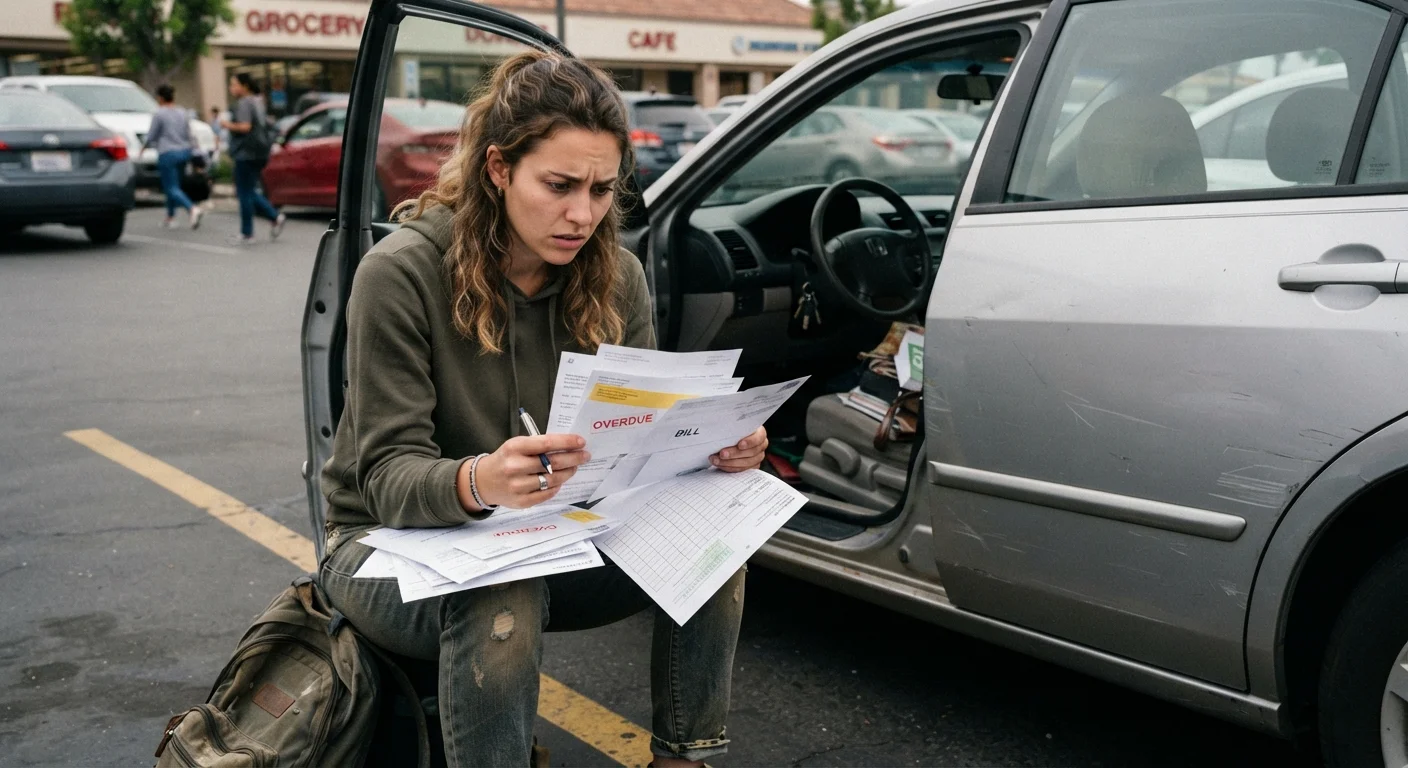
Why First-Time Owners Get Blindsided
Buying your first car tends to focus attention on a single number: the monthly payment. Dealers, advertisements, and loan calculators all reinforce this framing. But the monthly payment covers only the loan - it says nothing about the full financial reality of owning and operating a vehicle in America.
According to the American Automobile Association (AAA), the average annual cost of owning and operating a new vehicle consistently runs well above $10,000 when all expense categories are counted. That figure includes fuel, insurance, maintenance, tires, registration, and depreciation. First-time drivers rarely budget for more than fuel and insurance, which means the remaining costs arrive as surprises - sometimes expensive ones.
Understanding where the gaps tend to appear is the first step toward avoiding them. See the full financial picture of car ownership for a comprehensive breakdown of every cost category involved.
Ignoring state registration fees, property taxes, and emissions testing costs.
Why it happens: These costs aren't part of the loan and often aren't discussed at the dealership, so buyers assume they're negligible.
Underestimating insurance premiums - especially for newer, financed, or higher-performance vehicles.
Why it happens: Buyers often use a rough mental estimate based on what a family member pays, without accounting for their own driving record, vehicle type, or lender requirements.
Skipping gap insurance on a financed vehicle that depreciates faster than the loan balance decreases.
Why it happens: Gap insurance isn't mandatory, and many first-time buyers don't know what it covers or that a coverage shortfall can exist.
Deferring routine maintenance because it feels optional when the car seems to be running fine.
Why it happens: New drivers often treat maintenance as something to address only when a warning light appears, not understanding that preventive service protects long-term reliability.
Failing to account for depreciation when comparing a new vehicle to a used alternative.
Why it happens: The sticker price and monthly payment dominate the conversation; depreciation is invisible until resale time.
How to Build a Budget That Reflects Reality
Avoiding these mistakes starts before you sign any paperwork. Once you have a vehicle in mind, research your state's registration and emissions requirements - both the schedule and the fees. Contact your local DMV or check its website; the numbers are public.
$12,000+
Average annual cost to own and operate a new vehicle
AAA's annual 'Your Driving Costs' study consistently finds total vehicle ownership costs well above $10,000 annually when all expense categories are included.
15-25%
Typical new-vehicle value loss in year one
Industry data generally shows new vehicles depreciate sharply in the first year, though exact figures vary by make, model, and market conditions.
For insurance, get actual quotes for the specific vehicle and trim level you're considering, not a generic estimate. Insurance costs vary considerably by vehicle type, your driving history, and your ZIP code. Understanding what coverage you actually need - and what's optional - is worth reading up on. The major insurance coverage categories are a useful starting point.
Factor depreciation into your decision-making, particularly when comparing new and used options. Depreciation is often the single largest ownership expense, and new vehicles typically lose significant value in the first few years. If you're financing a new vehicle, ask your insurer about gap coverage and understand what it does before deciding whether you need it.
Finally, set aside a monthly maintenance reserve - even if the car is new and under warranty. Tires, wiper blades, brake pads, and other wear items are nearly always excluded from factory warranties. A practical framework for estimating all of these expenses is available in our guide on how to build a realistic annual car budget.
Dealer Add-Ons Can Inflate Your Loan Quietly
Extended warranties, paint protection packages, and other dealer add-ons are frequently rolled into the loan amount without being clearly itemized. This increases both the total amount financed and the interest paid over the loan term. Review every line item on the finance and insurance paperwork before signing, and ask for written explanations of any product you didn't request. Our article on ways drivers quietly overpay for car ownership covers this in detail.
This article is for general informational purposes only and does not constitute financial or legal advice. Costs, fees, and regulations vary by state and individual circumstance. Consult qualified professionals for guidance specific to your situation.
The content on this site is for informational purposes only and is not a substitute for professional advice. Always consult a qualified professional for guidance specific to your situation.