

Our Verdict
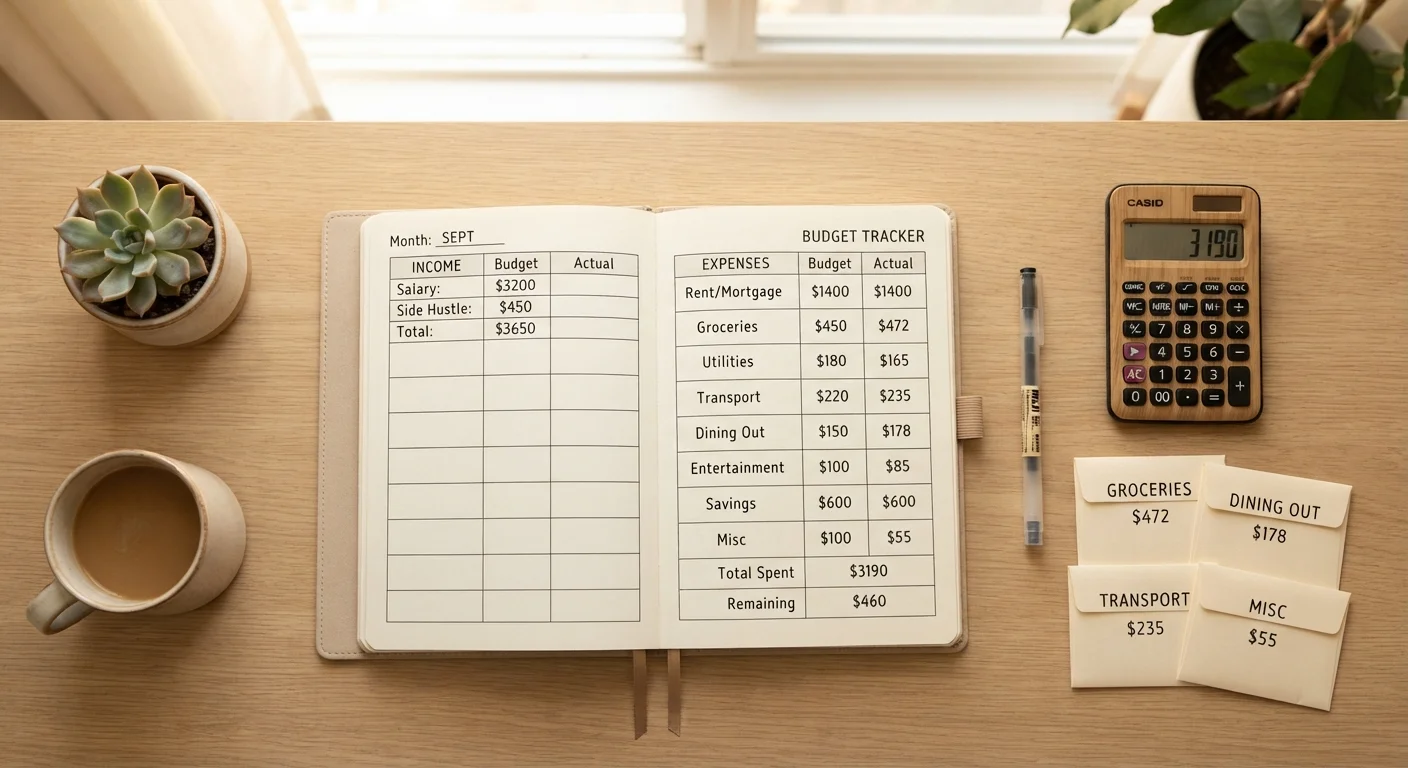
Spending categories are a proven tool for building budget awareness and breaking vague financial intentions into concrete, trackable commitments. The main risk is over-engineering the system — too many rigid categories can lead to decision fatigue or abandonment. Used with reasonable flexibility, category-based budgeting is accessible, adaptable, and genuinely effective.
Best for people who want clearer visibility into their spending habits and are ready to engage with their budget more than once a month.
What Spending Categories Actually Do
At their core, spending categories are labels. They divide your income into named buckets — housing, groceries, transportation, entertainment — so you can track where money goes and set intentional limits. If you're new to the concept, our primer on personal budgeting covers the foundational principles behind why structure matters.
Categories do two things simultaneously: they create awareness and create accountability. Awareness comes from seeing, for the first time, that you spend more on dining out than on savings. Accountability comes from having a defined limit you've committed to in advance. Neither effect happens automatically — they depend on how consistently you use the system.
Makes spending patterns immediately visible
When expenses are labeled, it becomes hard to ignore patterns — like consistently overspending on subscriptions. Visibility is the first step toward meaningful change.
Creates built-in spending limits per area
Assigning a monthly cap to each category turns abstract intentions into concrete boundaries. This pre-commitment reduces impulsive spending in the moment.
Simplifies savings goal alignment
Treating savings as its own named category — rather than whatever is left over — reinforces that saving is a non-negotiable expense, not an afterthought.
Helps identify where cuts are realistic
Rather than cutting broadly, categorized spending shows which areas are already lean and which have genuine flexibility — making trade-offs easier to evaluate.
Supports accountability in shared households
When two people share a budget, categories give both parties a common language and clear reference points, reducing conflict over ambiguous spending decisions.
Where Categorization Creates Real Problems
The disadvantages of spending categories emerge most clearly when life doesn't cooperate with the plan. A car repair, a medical co-pay, or a last-minute gift can blow through a category's limit with no obvious place to reallocate. This leads to frustration — and sometimes, abandonment of budgeting altogether.
Real expenses rarely fit neatly into categories
A dinner that is also a work meeting, or a clothing purchase for a job interview, defies simple labeling. Miscategorization frustrates users and undermines the data.
Too many categories cause tracking fatigue
Systems with 15 or more granular categories demand daily micro-decisions that most people abandon within weeks. Complexity is the enemy of consistency.
Rigid limits ignore income variability
Freelancers, hourly workers, and those with irregular income find fixed category limits particularly ill-suited to months when earnings fluctuate significantly.
Can create guilt rather than useful feedback
Going over a category limit is often experienced as failure rather than data. This emotional response can discourage continued engagement with the budget entirely.
Over-categorization is a related trap. Splitting expenses into 20 or more sub-categories creates a tracking burden that few people sustain. Research in behavioral economics suggests that decision fatigue is real: the more micro-decisions a system demands, the less likely people are to keep using it. If you're weighing the time investment of manual tracking versus automated tools, this comparison of manual logs and automated tracking can help you choose the right fit.
Making Categories Work in Practice
The most durable category systems share a few traits: they use broad buckets rather than granular line items, they include a dedicated miscellaneous or buffer category, and they're reviewed regularly — typically monthly. Pairing categories with a recognized framework sharpens their effectiveness. Comparing the 50/30/20 rule and zero-based budgeting shows how each framework handles category allocation differently, which can help you choose a structure that fits your income and lifestyle.
Don't Forget a Buffer Category
Even the most carefully constructed budget can't anticipate every expense. Including a named "buffer" or "miscellaneous" category — typically 3–5% of monthly take-home pay — gives you a legitimate place to absorb irregular costs without breaking the entire plan. This small addition meaningfully improves the long-term survivability of any category-based system.
If you're building your first budget, starting with just five to seven categories — housing, food, transportation, savings, and discretionary spending — is usually more sustainable than trying to track every sub-expense from day one. Our guide to building your first budget with saving in mind offers a practical starting point. Over time, you can add or merge categories as your understanding of your own spending deepens. Consistency matters more than comprehensiveness — and the habits of consistent budgeters reinforce that point clearly.
This article is for general informational and educational purposes only and does not constitute personalized financial advice. For guidance tailored to your specific situation, consider consulting a qualified financial professional.
The content on this site is for informational purposes only and is not a substitute for professional advice. Always consult a qualified professional for guidance specific to your situation.