

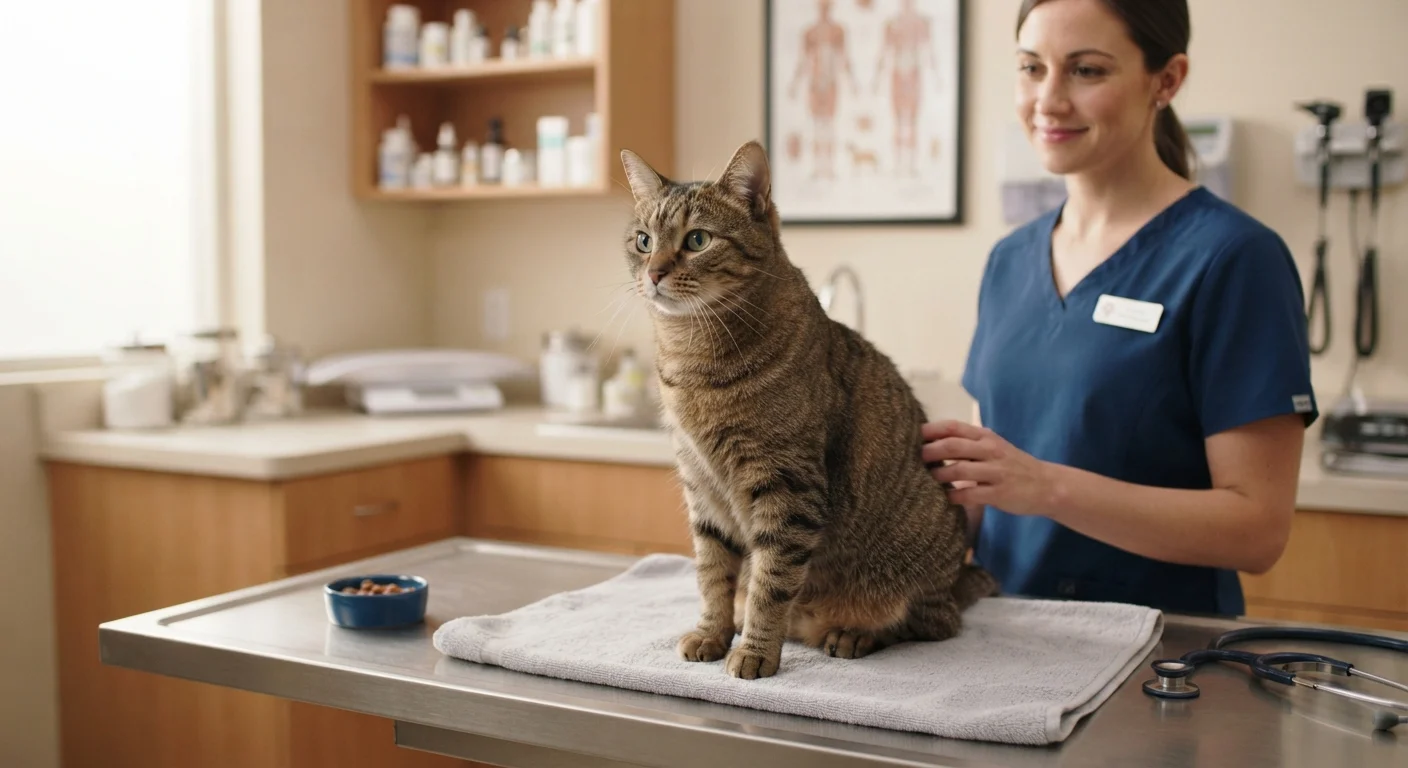
Why Preventive Care Is Different for Cats
Cats are masters of concealment. Unlike dogs, they rarely display obvious signs of pain or illness until a condition has progressed considerably — a survival instinct inherited from their wild ancestors. This makes proactive, scheduled care not just helpful but essential.
Preventive veterinary care encompasses scheduled exams, vaccinations, parasite screening, dental evaluation, and nutritional guidance — all designed to identify and interrupt health problems early. Because cats age approximately four times faster than humans after their first two years, a single skipped annual exam can span the equivalent of several human years of unmonitored health.
Cats Hide Illness — Don't Wait for Symptoms
A cat that appears healthy may be managing a significant health problem without visible signs. Routine exams give veterinarians the tools to detect internal organ changes, early dental disease, and weight fluctuations before your cat shows outward symptoms. Waiting until your cat "seems sick" often means addressing a more advanced and costly condition.
Veterinarians often describe cats as "stoic patients." By the time a cat shows behavioral changes — reduced activity, altered eating, hiding — the underlying issue may already be moderate to severe. This is why scheduled wellness visits matter even when your cat appears perfectly fine.
Core Vaccinations: What Every Cat Needs
Veterinary organizations classify feline vaccines into core and non-core categories. Core vaccines are recommended for every cat regardless of lifestyle because the diseases they prevent are either widespread, severe, or transmissible to other animals.
- Feline panleukopenia (FPV): A highly contagious and often fatal viral disease affecting the immune and gastrointestinal systems.
- Feline herpesvirus-1 (FHV-1) and calicivirus (FCV): Together with FPV, these form the combination known as FVRCP, the standard core vaccine given to kittens and adults.
- Rabies: Required by law in most U.S. states regardless of whether your cat lives indoors.
Non-core vaccines — such as those for feline leukemia virus (FeLV) or Bordetella — are recommended based on individual risk. Your veterinarian will assess your cat's exposure history, outdoor access, and household composition to guide these decisions. Your cat's environment significantly shapes their vaccination profile.
Schedule your cat's wellness exam at the same time each year — many owners find it easiest to tie it to the cat's adoption anniversary or birthday. Consistency makes it easier to track year-over-year changes in weight, bloodwork, and physical condition.
Longitudinal data from sequential annual visits gives veterinarians the baselines they need to detect subtle shifts before they become clinical problems.
When introducing tooth brushing, start by letting your cat lick enzymatic toothpaste off your finger for several days before introducing a brush. Gradual acclimation dramatically improves long-term compliance.
Most cats who resist dental brushing were introduced to it too quickly. A stepwise approach builds tolerance and makes the habit sustainable for both owner and pet.
Parasite Prevention: Inside and Out
A common misconception is that strictly indoor cats don't need parasite prevention. In reality, fleas can enter on clothing or shoes, mosquitoes carrying heartworm larvae can find their way indoors, and intestinal parasites can be introduced through tracked-in soil or contact with other animals.
~70%
Cats showing dental disease by age 3
Veterinary dental researchers and the American Veterinary Medical Association (AVMA) widely cite periodontal disease as the most common clinical condition in cats.
1 in 3
Cats considered obese or overweight
The Association for Pet Obesity Prevention has consistently found that overweight status affects roughly a third of the U.S. domestic cat population in survey years.
4x
Cats' aging rate vs. humans after year 2
Veterinary aging models suggest cats age roughly four human-equivalent years for each calendar year after early adulthood, underscoring the importance of annual exams.
A year-round prevention plan typically covers:
- Fleas and ticks: Topical or oral preventives dosed monthly or quarterly, as directed by your veterinarian.
- Heartworm: Though less common in cats than dogs, feline heartworm disease is serious and has no approved treatment; prevention is critical.
- Intestinal parasites: Routine fecal testing (at least once annually for indoor cats, more frequently for outdoor cats) detects roundworms, hookworms, giardia, and other organisms.
Always use products formulated specifically for cats. Many canine antiparasitic products contain permethrin, which is highly toxic to cats.
Never Use Dog Parasite Products on Cats
Permethrin, a common ingredient in many canine flea and tick treatments, is highly toxic to cats and can cause severe neurological reactions. Always verify that any product is explicitly labeled as safe for cats, and consult your veterinarian before starting any new preventive regimen.
Dental Health: The Overlooked Pillar
Studies from veterinary dental research indicate that the majority of cats show signs of periodontal disease by age three. Tartar buildup and gum inflammation don't just cause mouth pain — bacteria can enter the bloodstream and affect the kidneys, heart, and liver over time.
A practical dental care plan includes:
- Annual professional cleanings under anesthesia, which allow thorough scaling below the gumline and full-mouth radiographs.
- Home brushing with cat-specific enzymatic toothpaste — even a few times per week significantly reduces plaque accumulation.
- Dental treats and diets carrying the Veterinary Oral Health Council (VOHC) seal, which indicates independently verified efficacy.
See the annual wellness checklist for month-by-month reminders that include dental checkpoints. And if you've heard that dry kibble cleans teeth on its own, that's one of several feline health myths veterinarians want you to forget.
Weight Management and Nutrition
Obesity is one of the most prevalent and preventable health conditions in domestic cats. Excess weight is associated with diabetes mellitus, osteoarthritis, urinary tract disease, and shortened lifespan. Conversely, underweight cats — particularly seniors — may be signaling hyperthyroidism, kidney disease, or dental pain that makes eating uncomfortable.
Key principles for healthy weight management include:
- Feeding measured portions rather than free-choice (ad libitum) feeding, which frequently leads to overconsumption.
- Choosing a complete and balanced diet appropriate for your cat's life stage, as labeled by the Association of American Feed Control Officials (AAFCO).
- Using food puzzles and enrichment feeders to slow eating and encourage mental stimulation.
- Discussing body condition score (BCS) — a standardized 1–9 scale used by veterinarians — at every wellness visit so you have an objective benchmark over time.
If finances present a barrier to implementing a complete preventive plan, practical strategies exist for prioritizing care on a limited budget.
Use a Body Condition Score Chart at Home
Your veterinarian can provide a printed body condition score (BCS) chart, or you can ask to learn the technique at your next visit. Being able to assess your cat's BCS between appointments helps you catch gradual weight changes — in either direction — before they become serious health concerns.
Life-Stage Care: Kittens, Adults, and Seniors
Feline preventive care is not one-size-fits-all. The appropriate frequency and type of intervention shifts across three broad life stages.
Kittens (Under 1 Year)
Kittens receive a series of core vaccines beginning at 6–8 weeks of age, repeated every 3–4 weeks until 16 weeks. They should also be tested for FeLV and FIV, dewormed, started on parasite prevention, and spayed or neutered (typically around 4–6 months, per your veterinarian's recommendation).
Adults (1–10 Years)
Healthy adult cats benefit from at least one comprehensive wellness exam per year. This visit should include a physical examination, weight assessment, dental evaluation, parasite screening, and vaccine boosters on the schedule established with your veterinarian.
Seniors (10+ Years)
Cats 10 and older are generally considered senior, with geriatric status beginning around 15. Bi-annual wellness exams become the standard of care, often accompanied by bloodwork panels (complete blood count and chemistry profile), urinalysis, and blood pressure monitoring — all of which detect the chronic conditions most common in older cats: kidney disease, hyperthyroidism, and hypertension.
For a full stage-by-stage breakdown, review the wellness milestones every cat owner should know.
“The best thing a cat owner can do is treat the annual wellness visit as non-negotiable — not a reaction to illness, but a proactive investment in knowing what 'normal' looks like for that individual animal.”
— American Association of Feline Practitioners, Professional organization establishing feline veterinary care guidelines
This article is for general informational and educational purposes only and is not a substitute for professional veterinary advice, diagnosis, or treatment. Always consult a licensed veterinarian for guidance specific to your cat's health needs.
The content on this site is for informational purposes only and is not a substitute for professional advice. Always consult a qualified professional for guidance specific to your situation.