

What Preventive Care Actually Includes
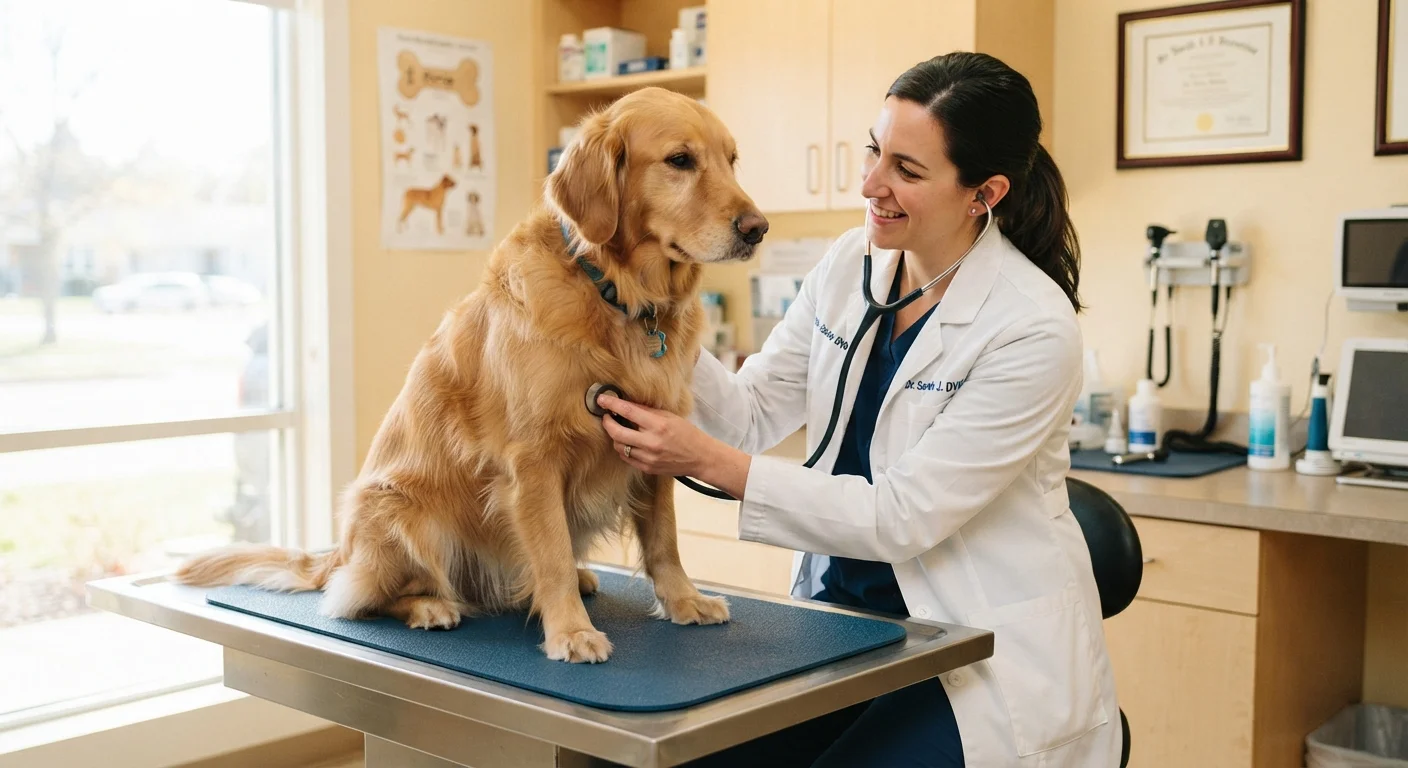
Preventive care is more than an annual shot. A full preventive visit typically covers a nose-to-tail physical examination, vaccination updates, intestinal parasite screening, heartworm or feline leukemia testing where indicated, a flea and tick prevention review, and a weight and nutrition assessment. For pets entering middle age or senior years, baseline bloodwork and urinalysis are commonly added.
Dental health is a core component that owners frequently overlook. The American Veterinary Dental College notes that most dogs and cats show signs of periodontal disease by age three — making dental assessments and professional cleanings a standard part of preventive protocols, not an optional extra.
Keep a Pet Health Record at Home
Maintaining a simple folder — physical or digital — with your pet's vaccination dates, lab results, and medication history makes every vet visit more efficient. It also ensures continuity of care if you switch veterinary practices or need emergency treatment while traveling.
For cat owners specifically, indoor lifestyle does not eliminate the need for regular preventive visits. Indoor cats are still susceptible to dental disease, obesity, kidney disease, and hyperthyroidism — conditions that benefit significantly from early detection. See the complete guide to feline preventive care for a species-specific breakdown.
Why Timing and Life Stage Matter
Preventive care is not a one-size-fits-all schedule. Puppies and kittens require a series of vaccinations spaced several weeks apart during their first months of life, along with deworming and early socialization guidance. Adult pets settle into annual or biannual rhythms. Senior pets — broadly defined as those in the last third of their expected lifespan — benefit from more frequent monitoring because organ function, joint health, and metabolic changes can shift rapidly.
70%
Dogs showing dental disease signs by age 3
The American Veterinary Dental College estimates that the majority of dogs exhibit some degree of periodontal disease by their third year of life.
2x
More frequent senior pet vet visits recommended
Veterinary guidelines generally recommend twice-yearly wellness exams for pets considered senior, compared to annual visits for healthy adults.
1 in 3
Pets diagnosed with a serious condition annually
Industry estimates suggest a significant proportion of pets receive a new illness diagnosis each year, reinforcing the value of early-detection screenings.
Breed and species also shape what preventive care looks like. Large-breed dogs face higher orthopedic risks and may need earlier joint assessments. Brachycephalic breeds (flat-faced dogs like bulldogs and pugs) may need respiratory monitoring built into their routine. Dog owners should discuss breed-specific screening with their veterinarian to build an appropriate schedule.
Understanding when routine visits differ from urgent appointments helps owners use both types of care more effectively.
Preventive Care and Pet Insurance: Understanding the Gap
A common misconception is that pet insurance automatically covers preventive services. Most standard policies are structured to cover accidents and illnesses — unexpected costs rather than planned ones. Routine exams, vaccines, and parasite prevention are typically reimbursed only when a separate wellness plan or rider is added to the policy.
Wellness Plans Are Not Insurance
Veterinary wellness plans are prepaid or subscription-based service bundles offered by clinics or third-party providers. They reduce the per-visit cost of routine care but do not provide the catastrophic coverage that insurance policies offer. Reading the terms of any plan carefully before enrolling helps avoid surprises about what is and is not included.
This distinction matters when evaluating your pet care budget. Wellness plans — sometimes offered directly through veterinary practices as monthly payment programs — spread the cost of routine care across the year. Pet insurance, by contrast, protects against large, unforeseen medical expenses. The two tools serve different financial purposes and can be used together or independently depending on your situation.
For a side-by-side explanation of how these options work, see our article on wellness plans vs. pet insurance. If cost is a concern, preventive care on a tight budget offers realistic strategies for prioritizing the most impactful services.
This article provides general educational information about veterinary preventive care and is not a substitute for professional veterinary advice. Always consult a licensed veterinarian for guidance specific to your pet's health needs.
Frequently Asked Questions
Most adult dogs and cats benefit from at least one comprehensive wellness exam per year. Senior pets — generally those over seven years old — are often seen every six months because age-related conditions can progress quickly. Your veterinarian can recommend a schedule tailored to your pet's species, breed, and health history.
Standard pet insurance policies are designed for unexpected illnesses and accidents, so routine preventive services are usually excluded. Many insurers offer optional wellness plan add-ons that reimburse for vaccines, exams, and parasite prevention. See our comparison of <a href="/pets-animals/pet-wellness/wellness-plans-vs-pet-insurance-two-tools-that-serve-different-purposes">wellness plans vs. pet insurance</a> for a detailed breakdown.
Core vaccines for dogs include rabies, distemper, parvovirus, and adenovirus (often combined in a single DHPP shot). Core vaccines for cats include rabies, feline herpesvirus, calicivirus, and panleukopenia (combined as FVRCP). Non-core vaccines are given based on lifestyle and geographic risk factors your vet will assess.
Yes. Periodontal disease is among the most common health conditions diagnosed in adult pets, and untreated dental disease can contribute to systemic problems affecting the heart, kidneys, and liver. Professional cleanings under anesthesia, combined with at-home brushing, are a recognized pillar of preventive veterinary care.
A standard wellness panel typically includes a complete blood count (CBC) and a chemistry profile that evaluates organ function — including the liver, kidneys, and thyroid — plus blood glucose levels. These results establish a baseline for your pet and help detect subclinical changes before symptoms appear.
Skipping routine visits is not recommended by veterinary professional organizations. Many serious conditions — including early kidney disease, dental disease, and certain cancers — produce no obvious symptoms in early stages. Regular exams are how veterinarians identify and intervene before a manageable problem becomes a serious one.
The content on this site is for informational purposes only and is not a substitute for professional advice. Always consult a qualified professional for guidance specific to your situation.