

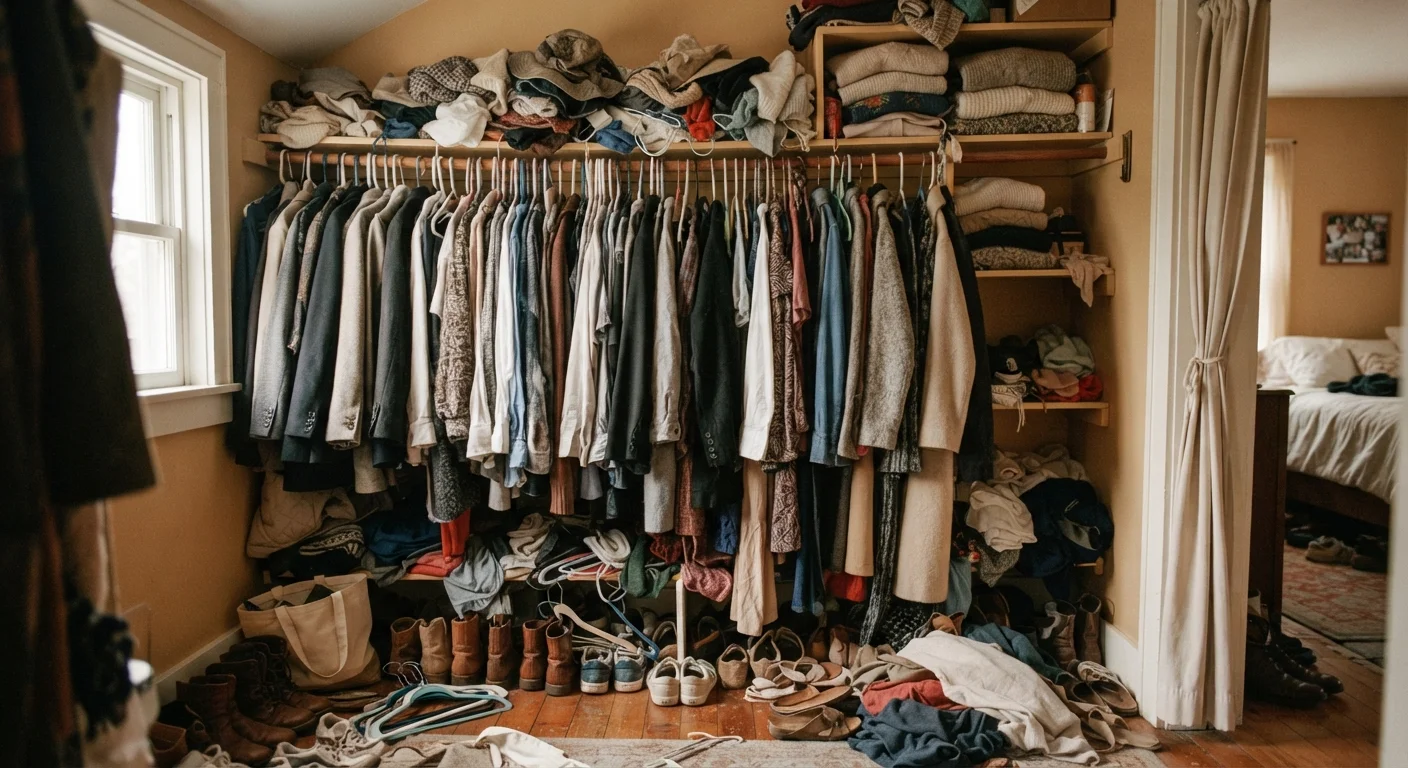
Why a Full Closet Can Still Leave You With Nothing to Wear
The frustration is familiar: a closet packed with clothes, a genuinely limited amount of time, and the persistent sense that nothing works together. This isn't a quantity problem — it's a strategy problem. Most wardrobe dysfunction traces back to a handful of recurring habits that compound over time, making daily dressing feel harder than it needs to be.
The good news is that identifying these habits is the fastest path to fixing them. None of the mistakes below require a wardrobe overhaul or a significant budget to address. They require honest assessment and a few deliberate changes in how you shop, store, and think about what you own.
Fit Overrides Everything Else
No fabric quality, color palette, or styling trick compensates for poor fit. A well-fitted mid-price garment will consistently look more polished than an expensive piece that doesn't suit your proportions. Before adding anything new to your wardrobe, assess whether it fits correctly across the shoulders, chest, and waist — the three areas alterations address most easily. If you're unsure what good fit looks like for your build, our guide on dressing for your body offers grounded, practical perspective.
The Most Common Wardrobe Mistakes — and How to Break Them
These aren't abstract style rules. Each mistake below is grounded in the practical reality of how most people actually shop and organize their clothes — and what tends to go wrong as a result.
Buying items without a clear "outfit ecosystem" in mind — purchasing a piece in isolation without knowing what else it will pair with.
Why it happens: Retail environments are designed to showcase single items at their most appealing, making it easy to imagine an item as exciting without thinking through real combinations.
Tolerating poor fit and assuming accessories or styling will compensate.
Why it happens: Returning or tailoring items feels inconvenient, so people keep pieces that "almost" fit — only to avoid wearing them.
Overloading the closet until items become invisible and hard to access.
Why it happens: Sentimental attachment and a reluctance to make decisions cause gradual accumulation without equal editing.
Buying statement pieces without the neutral foundation to support them.
Why it happens: Bold pieces are visually exciting in stores; basics feel uninspiring to shop for even though they do the most work in daily dressing.
Ignoring seasonal transitions so cold-weather or warm-weather pieces stay buried and inaccessible.
Why it happens: Rotating a wardrobe seasonally feels like effort, so it gets postponed — and clothing effectively disappears from regular use.
Sale Prices Don't Justify Bad Purchases
Buying something because it's discounted — rather than because it fits your life — is one of the fastest ways to fill a closet with clothes you won't wear. If a piece wouldn't appeal to you at full price, a markdown rarely changes its wearability. Consider reading about when spending more actually matters before your next shopping trip.
It's also worth noting that wardrobe decisions have real financial consequences. Impulse purchases and underused clothing represent spending that doesn't deliver value — a pattern worth examining through the lens of your broader budgeting habits. If buying clothing has contributed to debt, debt management strategies may be a useful parallel read.
Building the Habit of a More Intentional Closet
Getting dressed should feel like choosing, not searching. The shift from one to the other doesn't happen through a single cleanout session — it happens when the habits that created the problem are replaced with more deliberate ones.
~50%
Clothes worn rarely or never
Research from the fashion sustainability sector consistently estimates that roughly half of purchased clothing goes largely unworn, often due to impulse buying decisions.
3–5
Core items that anchor most outfits
Wardrobe studies and stylist consensus suggest that most people rely on a small cluster of versatile pieces for the majority of their daily looks.
Start small: the next time you reach for something and put it back, ask why. Is it the fit? The lack of a matching piece? The fact that it never quite suited your actual daily life? Those moments of friction are diagnostic. They point directly to the specific habits — overcrowding, mismatched purchases, fit avoidance — that this article is designed to help you address.
For a different angle on maximizing what you already own before adding anything new, the guide to shopping your own closet is a practical next step. And if casual dressing feels perpetually unclear, understanding where relaxed ends and undone begins can help sharpen your everyday default.
The content on this site is for informational purposes only and is not a substitute for professional advice. Always consult a qualified professional for guidance specific to your situation.