

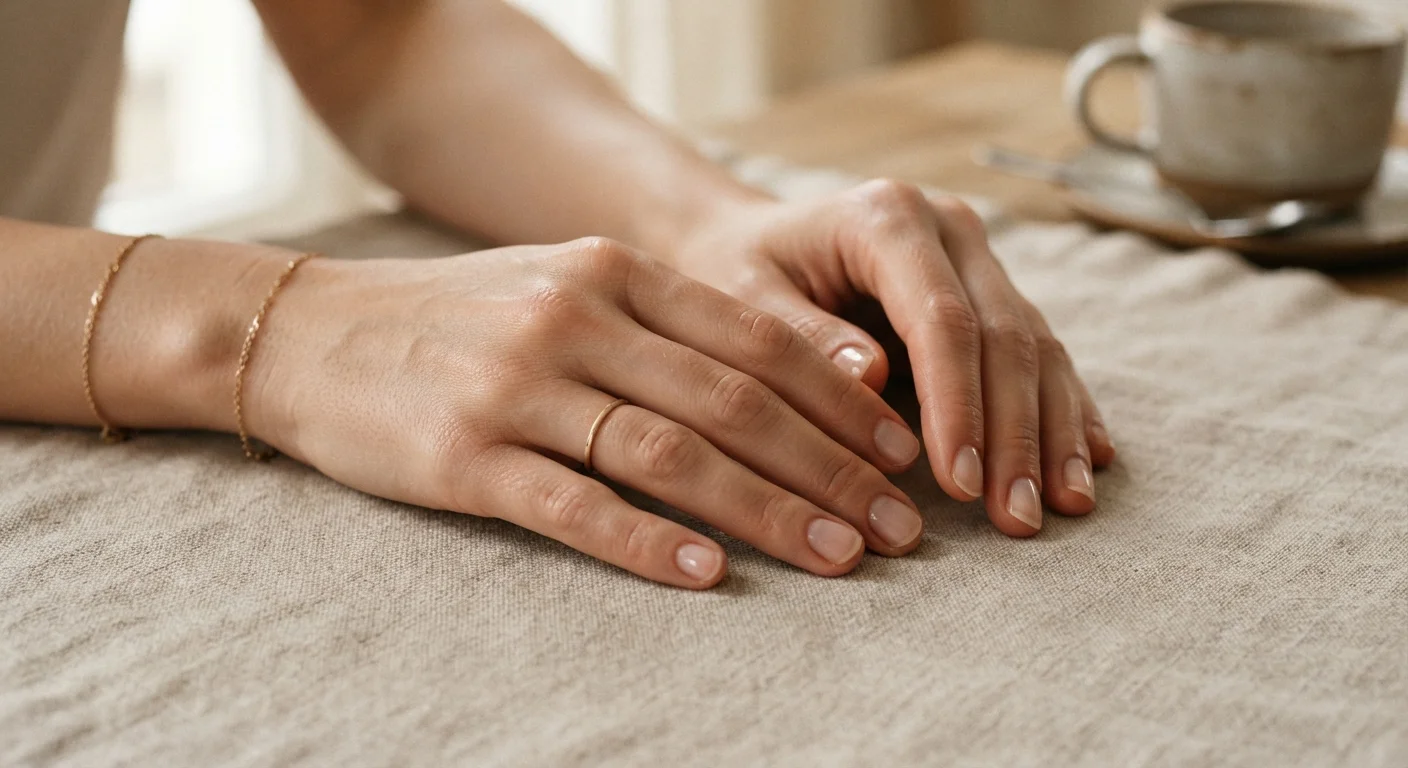
Why Your Nails Take a Beating — And What That Means for Your Routine
Hands are in constant contact with water, cleaning agents, keyboards, tools, and outdoor elements. That daily exposure gradually strips natural oils from both the nail plate and the surrounding skin, leaving nails brittle and cuticles cracked. According to dermatologists, repeated wetting and drying cycles are among the primary mechanical stressors on fingernails — a fact worth keeping in mind before dismissing dry, ragged cuticles as purely cosmetic.
A practical nail care routine addresses this attrition without requiring a professional salon visit every week. The goal is to restore what daily life removes: moisture, structural integrity, and a clean edge that resists tearing. For a broader look at how grooming choices interact with long-term skin health, see this comprehensive grooming and skin health guide.
What you will need
Your Step-by-Step Nail Care Routine
Run through the steps below once a week as your maintenance session, and incorporate the daily habits — moisturizing, protecting — every day in between. Consistency matters more than perfection.
Soak and Soften
Fill a small bowl with warm (not hot) water and a drop of mild soap. Soak your fingertips for three to five minutes. This softens the nail plate and loosens the cuticle, making every subsequent step easier and safer. Avoid soaking too long — over-hydration makes nails temporarily soft and prone to tearing during trimming.
Trim to a Workable Length
Pat your hands dry and use clean nail clippers to trim nails to your preferred length. Cut straight across for square nails, or make a single central cut followed by two angled cuts at the corners for a rounded shape. Avoid cutting too close to the fingertip — leave a small white margin to protect the nail bed.
File and Shape
Use a fine-grit nail file in one direction — not a back-and-forth sawing motion, which can fray the nail edge and cause splitting. File each nail to your chosen shape, then lightly buff any rough spots on the surface if needed. This is also the step to address any existing snags before they catch and tear.
Push Back Cuticles Gently
Using a rubber-tipped or rosewood cuticle pusher, gently push back the cuticle from the nail plate in slow, careful strokes. The earlier soak will have softened the tissue enough that force should be unnecessary. The cuticle seals the gap between nail and skin — handling it gently protects against infection.
Cleanse Under the Nails
Use a soft nail brush or the pointed tip of your cuticle pusher wrapped in a damp cloth to clean beneath each nail. This removes debris that accumulates throughout the week and is a straightforward hygiene step that's easy to overlook during a standard handwash.
Moisturize Nails and Cuticles
Apply cuticle oil directly to each cuticle and massage it in with small circular motions. Follow with a rich hand cream worked into the full hand, paying extra attention to the knuckles and nail edges. This final step locks in moisture and counteracts the drying effects of everything your hands encountered during the week.
Hydration Starts From the Inside
While topical oils and creams do meaningful work, staying well-hydrated supports nail flexibility and overall skin condition. Nails that bend and break easily are sometimes associated with low moisture intake, though individual factors vary. Think of topical care and adequate water intake as complementary habits.
If you notice persistent nail changes such as yellowing, thickening, pitting, or separation from the nail bed, consult a board-certified dermatologist. These can signal underlying conditions that go beyond routine grooming. This article is general grooming guidance and is not a substitute for professional medical advice.
Daily Habits That Protect Your Progress
The weekly routine above works best when supported by a few low-effort daily behaviors. Apply a hand lotion or cuticle oil each time you wash your hands — this is especially important in dry climates or heated indoor environments. Wearing rubber gloves during dishwashing or cleaning reduces the chemical and water exposure that undoes your work between sessions.
It's also worth revisiting any grooming habits that quietly cause harm. Peeling nail polish, biting nails, and cutting cuticles too aggressively are patterns flagged regularly by dermatologists as problematic. For a closer look at grooming habits worth reconsidering, see grooming habits dermatologists frequently flag as problematic. If your schedule makes even a weekly routine feel ambitious, the guidance in low-maintenance grooming habits with high-impact results can help you streamline further.
Prolonged Water Exposure Undermines Your Routine
Repeated cycles of wetting and drying cause the nail plate to expand and contract, weakening its structure over time. If your work or household routine involves frequent hand-washing or dishwashing without gloves, no weekly routine will fully compensate. Protective gloves are one of the most effective tools for preserving nail health between sessions.
The content on this site is for informational purposes only and is not a substitute for professional advice. Always consult a qualified professional for guidance specific to your situation.