

Why the Scalp Deserves Its Own Attention
Most people think about hair care in terms of strands — shampoo for shine, conditioner for softness, a mask for moisture. But every strand you see emerges from a follicle embedded in living skin, and that skin has its own needs. Neglecting the scalp while tending to the hair is a bit like watering a plant's leaves while ignoring its roots and soil.
The scalp produces sebum — natural oil that lubricates and protects the hair shaft — through sebaceous glands clustered around each follicle. It also maintains its own microbiome: a community of microorganisms that, when balanced, helps defend against irritation and infection. When that balance is disrupted by overwashing, product buildup, stress, or hormonal shifts, the downstream effects often show up in your hair before you notice anything on your scalp.
Dullness, excessive shedding, slow growth, and persistent dryness are frequently scalp issues in disguise. Understanding this reframes hair care as a practice that begins well beneath the surface. For a broader view of how grooming choices affect skin and scalp together, see The Full Picture on Grooming and Skin Health.
Building a Routine From the Ground Up
If scalp care feels like a new concept, it fits naturally into a broader personal care foundation. Whether you're new to structured grooming or simply looking to refine what you already do, Building a Men's Grooming Routine From Scratch offers a practical starting framework. Similarly, The Everyday Skincare Routine reinforces why treating all skin — including the scalp — with consistent, gentle habits pays dividends over time.
What a Scalp-First Routine Actually Looks Like
Incorporating scalp care doesn't require a dramatic overhaul. It starts with rethinking a few existing steps.
Cleansing with intention
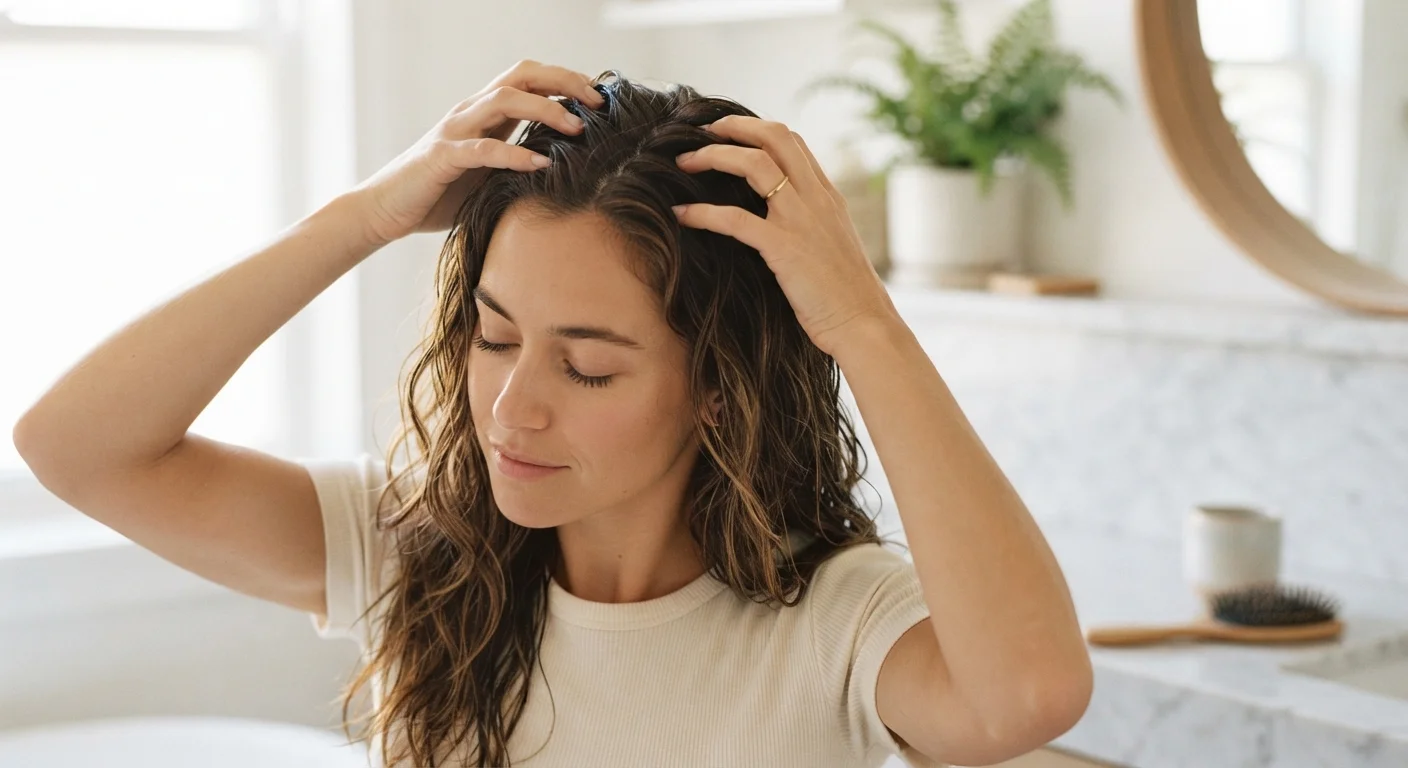
When shampooing, focus the product on the scalp — not the lengths. Work it in with the pads of your fingers using small circular motions, which help loosen buildup and stimulate circulation. Rinse thoroughly; residue left at the root is one of the most common sources of irritation and congestion.
Wash frequency should match your scalp type, not a universal rule. If you're unsure how your hair type affects how your scalp behaves, Hair Type 101 offers useful grounding on porosity and texture.
Exfoliation — carefully
Like facial skin, the scalp accumulates dead skin cells and product residue. A gentle scalp scrub or exfoliating treatment once or twice a month can help clear this buildup. Those with sensitive scalps or any active irritation should proceed cautiously and consider consulting a dermatologist before adding this step.
Scalp massage
A two-to-three minute scalp massage during washing — or on dry hair — is a low-effort addition with meaningful upside. Some research suggests it may support follicle stimulation over time, and many people find it relieves tension. No special tools are required, though a silicone scalp brush can provide a more consistent experience.
Start Your Wash at the Root, Not the Ends
Apply shampoo directly to the scalp and massage it in thoroughly before letting the lather rinse through the lengths. This distributes cleansing where it's needed most — at the follicle — without over-stripping the more fragile mid-shaft and ends. If you're curious how professional technique differs from what most people do at home, why salon results differ from at-home washing explains the key distinctions.
Common Scalp Concerns and What They Signal
Understanding what you're seeing — or feeling — on your scalp helps you respond appropriately rather than guessing.
100,000+
Average number of hair follicles on the human scalp
Each follicle is a living structure embedded in the scalp's dermis, underscoring why scalp skin health directly determines hair quality.
50–100
Normal daily hair strands shed
The American Academy of Dermatology notes this range as typical; consistent shedding well beyond this may warrant professional evaluation.
~4–6
Average scalp skin pH
Research published in dermatology literature indicates the scalp's slightly acidic pH supports its protective barrier and microbiome — both of which can be disrupted by harsh or high-pH cleansers.
- Excess oiliness: Often a sign of overwashing (which triggers compensatory sebum production) or hormonal fluctuation. Adjusting wash frequency is usually the first step.
- Flaking: Small, dry flakes typically indicate a moisture-depleted scalp. Larger, oilier flakes are more characteristic of seborrheic dermatitis — a common but distinct condition that responds to antifungal-containing cleansers. These are not interchangeable.
- Itching: Can result from dryness, product sensitivity, or buildup. Fragrance and preservatives are common culprits. Check your labels if itching correlates with a recent product change.
- Thinning or excess shedding: Hair naturally sheds 50–100 strands per day. Amounts consistently beyond that, especially accompanied by visible thinning, warrant professional evaluation. Shedding has many causes — nutritional, hormonal, and medical — and self-diagnosis is rarely accurate.
For habits that may quietly worsen scalp and skin conditions, Grooming Habits That Dermatologists Frequently Flag as Problematic is worth reviewing.
This article is for general informational purposes only and is not a substitute for professional medical or dermatological advice. Consult a qualified healthcare provider for concerns about your scalp or hair health.
Frequently Asked Questions
Washing frequency depends on your scalp type, activity level, and hair texture. Oily scalps may benefit from washing every one to two days, while drier or coarser hair types may do well with once a week or less. The goal is to remove buildup without stripping the scalp's natural moisture barrier.
Itching and flaking can stem from several causes, including dryness, product buildup, contact dermatitis, or conditions like seborrheic dermatitis. Identifying the root cause matters before selecting a remedy. If symptoms are persistent or severe, a dermatologist can provide an accurate diagnosis and appropriate treatment plan.
Some small studies suggest that regular scalp massage may increase hair thickness over time by stretching follicle cells and improving circulation, though the research is still limited. It is a low-risk habit that many people find beneficial as part of a broader scalp care routine.
Yes. Certain ingredients — including heavy silicones, sulfates, alcohol, and fragrances — can disrupt the scalp's natural barrier or cause irritation over time. Product buildup from dry shampoos, styling creams, or leave-ins can also clog follicles if not regularly cleansed away.
No — they are often confused but have different causes. Dry scalp produces small, white flakes and usually responds to gentler cleansing and added moisture. Dandruff is typically associated with an overgrowth of a naturally occurring yeast called Malassezia and often produces larger, oilier flakes. Treatment approaches differ accordingly.
Consult a dermatologist if you notice significant or sudden hair shedding, persistent redness, open sores, severe itching, or flaking that does not respond to routine adjustments. These can indicate underlying conditions that benefit from professional evaluation and treatment.
The content on this site is for informational purposes only and is not a substitute for professional advice. Always consult a qualified professional for guidance specific to your situation.