

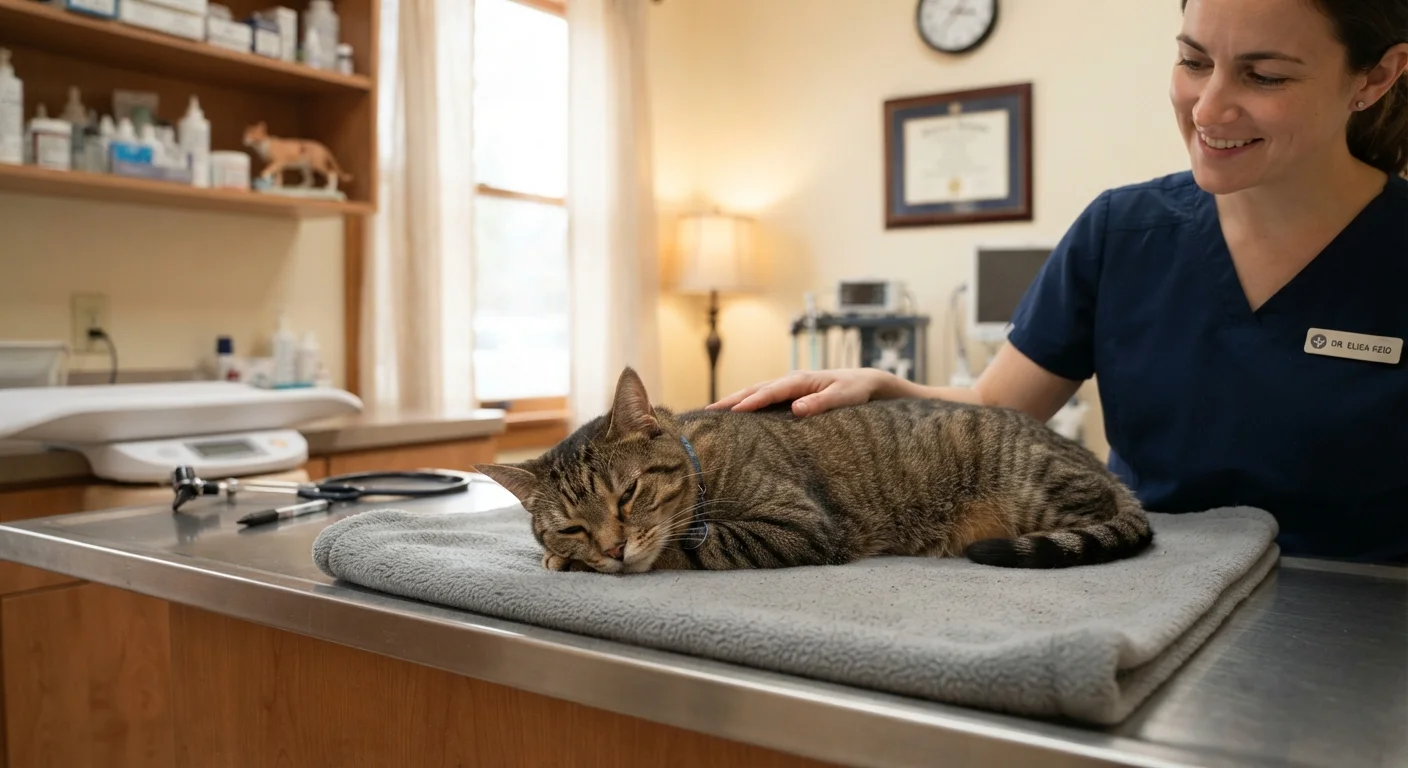
What Actually Happens During These Procedures
Both spay and neuter surgeries are performed under general anesthesia, meaning your cat is fully unconscious and does not experience pain during the procedure. A veterinary team monitors vital signs throughout, including heart rate, breathing, and body temperature.
Spaying (females): The veterinarian makes a small incision in the abdomen and removes the ovaries and uterus — a procedure called an ovariohysterectomy. The incision is then closed with sutures. The surgery typically takes 20 to 90 minutes depending on the cat's age, weight, and reproductive status.
Neutering (males): The procedure is less invasive. Two small incisions are made in the scrotum, and the testicles are removed. Most male cats recover quickly and are back to normal behavior within a few days.
After surgery, cats are monitored in the clinic until they are safely awake, then sent home with discharge instructions covering activity restriction, incision care, and signs of complications to watch for.
Prepare Your Home Before Surgery Day
Set up a quiet, confined recovery space before bringing your cat home from surgery. Limit jumping and rough play for at least ten to fourteen days. Check the incision site daily for swelling, discharge, or redness, and contact your vet if anything looks unusual. Most cats tolerate recovery well when they have a calm, comfortable environment.
Health Implications: Beyond Reproduction
The benefits of spaying and neutering extend well beyond population control. For female cats, spaying eliminates the risk of pyometra — a potentially life-threatening uterine infection that affects a significant percentage of intact females over their lifetimes. It also substantially reduces the risk of mammary (breast) tumors, particularly when performed before the first heat cycle.
For male cats, neutering eliminates testicular cancer and reduces the risk of certain prostate issues. It also dramatically decreases the likelihood of injuries and disease exposure from roaming and fighting, which intact males are strongly motivated to do.
90%+
Reduction in mammary tumor risk with early spaying
Veterinary studies suggest spaying before the first heat cycle dramatically reduces a female cat's lifetime risk of mammary tumors.
~90%
Decrease in urine spraying in neutered males
Research in feline behavior consistently shows neutering markedly reduces urine-marking behavior in the majority of male cats.
Behavior changes are common and generally well-regarded. Neutered males are less likely to spray urine to mark territory, less likely to roam, and often show reduced inter-cat aggression. Spayed females no longer go into heat — a recurring cycle that can involve persistent vocalizing, restlessness, and escape attempts.
These procedures are considered standard components of feline preventive care by most veterinary organizations.
Timing, Considerations, and What to Discuss With Your Vet
The conventional recommendation is to spay or neuter cats around five to six months of age — before the first heat cycle in females and before sexual behaviors become established in males. Pediatric procedures performed as early as eight weeks are common in shelter settings and are considered safe under current veterinary guidelines.
For some cats, particularly large breeds or those with underlying health conditions, a veterinarian may suggest waiting slightly longer. The conversation around optimal timing has evolved, and it's worth discussing your individual cat's situation rather than relying solely on general rules.
One practical consideration post-surgery: altered cats often have reduced caloric needs. Without adjustment, this metabolic change can lead to gradual weight gain. Monitoring your cat's body condition and feeding accordingly becomes an important part of ongoing care — something that fits into the broader picture of wellness milestones every cat owner should track.
Weight Management After Altering
Spayed and neutered cats can have a metabolic rate roughly 20–30% lower than intact cats, according to veterinary nutrition research. This doesn't mean weight gain is inevitable — it means portion sizes and food choices matter more. Ask your veterinarian whether switching to a maintenance or weight-management formula makes sense after the procedure.
If you share your home with a cat that goes outdoors, intact status can meaningfully affect their risk profile. Indoor versus outdoor tradeoffs intersect with reproductive health in ways worth considering holistically.
This article provides general educational information about veterinary procedures and is not a substitute for professional veterinary advice. Always consult a licensed veterinarian for guidance specific to your cat's health and circumstances.
Frequently Asked Questions
Many veterinarians recommend spaying or neutering cats around five to six months of age, before they reach sexual maturity. Some shelters perform pediatric spay/neuter as early as eight weeks. Your vet can help determine the right timing based on your cat's individual health and development.
Most cats recover fully within ten to fourteen days. Males typically bounce back faster, often within a few days. Females undergoing spay surgery have a slightly longer recovery due to the more involved abdominal procedure. Limiting activity and monitoring the incision site are key during recovery.
These procedures reduce hormone-driven behaviors but do not alter a cat's core personality. A playful, affectionate cat will generally remain so. Reductions in aggression, roaming, and vocalization are common, and most owners consider these changes positive.
Altered cats can have a lower metabolic rate, which increases the risk of weight gain. This is manageable through appropriate portion control and regular activity. Your veterinarian can recommend a suitable diet and feeding schedule after the procedure.
As with any surgery involving anesthesia, there are minor risks. However, spay and neuter procedures are among the most routinely performed surgeries in veterinary medicine, and serious complications are uncommon in healthy cats. A pre-surgical health assessment helps minimize risk.
The content on this site is for informational purposes only and is not a substitute for professional advice. Always consult a qualified professional for guidance specific to your situation.