

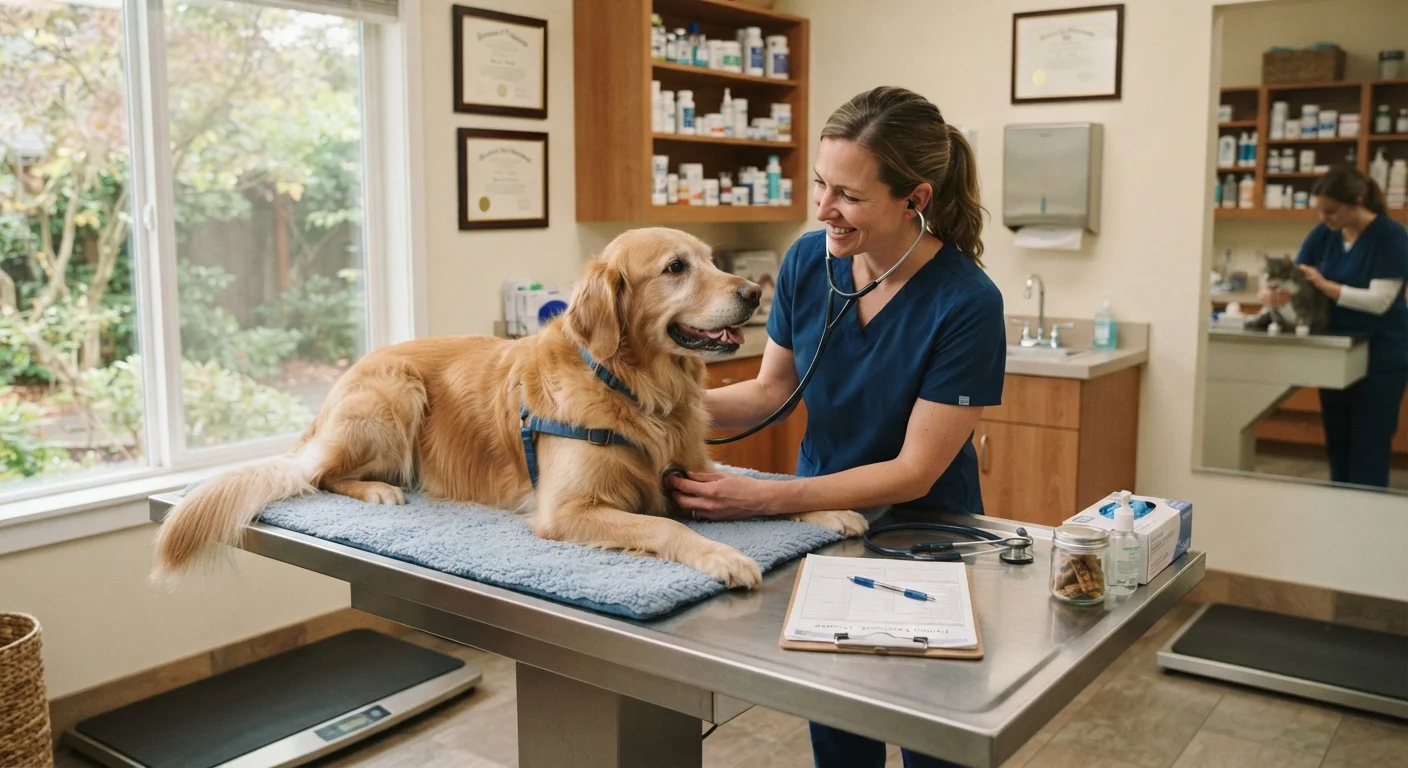
Option A
Veterinary Wellness Plans
The predictable, routine-care budgeting tool.
Best for: Pet owners who want to spread the cost of expected, scheduled preventive care across monthly payments.
Option B
Pet Insurance
The financial safety net for the unexpected.
Best for: Pet owners who want protection against large, unforeseen veterinary expenses from illness or injury.
Two Different Problems, Two Different Tools
Veterinary wellness plans and pet insurance are frequently lumped together under the umbrella of "pet care coverage," but they solve fundamentally different financial problems. Confusing the two can lead pet owners to buy the wrong product — or to feel falsely protected when they aren't.
A wellness plan is essentially a prepayment arrangement offered directly through many veterinary practices. You pay a monthly or annual fee and receive a defined bundle of routine services — typically annual exams, core vaccinations, flea and tick preventives, and sometimes dental cleanings. As our guide on preventive veterinary care explains, these services are predictable and scheduled — they will happen regardless.
Pet insurance, by contrast, is a true insurance product. You pay premiums to transfer the financial risk of unpredictable events — a torn ligament, a cancer diagnosis, an emergency after hours — to an insurer. For a deeper look at how these policies are structured, see how pet insurance coverage actually works.
| Criterion | Wellness Plans | Pet Insurance |
|---|---|---|
| Primary purpose | Budget routine, preventive care | Cover unexpected illness or injury |
| What triggers a benefit | Scheduled, predictable services | Unplanned health event or accident |
| Covers emergencies | No | Yes, typically |
| Covers routine vaccines | Yes | Generally no (unless add-on) |
| Sold by | Veterinary practices | Insurance companies |
| Cost structure | Fixed monthly/annual fee | Premium + deductible + co-pay |
| Waiting periods | Usually none | Typically 14 days or more |
| Pre-existing conditions | Not relevant | Often excluded |
What Each Product Actually Covers
Understanding the scope of each product removes the most common source of confusion for pet owners.
Wellness Plans
- Annual wellness exams
- Core and lifestyle vaccinations
- Flea, tick, and heartworm prevention
- Routine bloodwork or urinalysis panels
- Dental cleanings (sometimes, with limitations)
Crucially, wellness plans do not cover illness, injury, surgery, hospitalization, or any care triggered by an unexpected health event. If your dog breaks a leg or your cat is diagnosed with diabetes, a wellness plan offers no financial relief.
Pet Insurance
- Accidents: fractures, lacerations, ingestion of foreign objects
- Illnesses: infections, chronic conditions, cancer treatment
- Diagnostics: X-rays, MRIs, lab work related to a covered condition
- Surgery and hospitalization
- Specialist and emergency care
Standard pet insurance policies typically exclude routine and preventive services unless you add an optional wellness rider — and even then, coverage details vary significantly. Understanding key policy concepts like deductibles, reimbursement percentages, and annual limits matters here; the policy concepts hub is a useful reference.
Wellness Riders on Pet Insurance: Read Carefully
Some pet insurance providers offer an optional wellness add-on that reimburses a portion of routine care costs. These riders can appear to bridge the gap between the two products, but the reimbursement caps are often modest and the math doesn't always favor the extra premium. Before adding a wellness rider, compare its annual reimbursement ceiling against what you'd actually spend on covered services. Terms differ substantially between insurers.
How to Think About Value for Your Situation
Neither product is universally superior — the right choice depends on your pet's age and health status, your financial cushion, and your risk tolerance.
A wellness plan delivers straightforward value if you would otherwise delay or skip routine visits due to upfront cost. By spreading those predictable expenses monthly, the plan functions as a budgeting tool. However, it is worth doing the math: add up the retail value of services included and compare it to the plan's annual cost, since some plans offer modest savings while others are roughly cost-neutral.
Pet insurance delivers value through risk transfer. Most policyholders will pay more in premiums over time than they receive in claims — that's how insurance works across all categories. The principles for evaluating insurance options apply here: you're paying for protection against a low-probability, high-cost event. A single emergency surgery can easily exceed $3,000–$6,000, far outpacing years of premiums.
If budget is tight, strategies for pet wellness on a tight budget can help you prioritize which type of coverage — if any — makes sense first. And for questions about how often to schedule vet visits alongside any coverage you carry, see annual vet visits vs. as-needed appointments.
This article is for general informational and educational purposes only. It does not constitute financial, insurance, or veterinary advice. Coverage terms, exclusions, and costs vary by provider and individual circumstances. Consult a licensed insurance professional and your veterinarian for guidance specific to your pet and situation.
The content on this site is for informational purposes only and is not a substitute for professional advice. Always consult a qualified professional for guidance specific to your situation.