

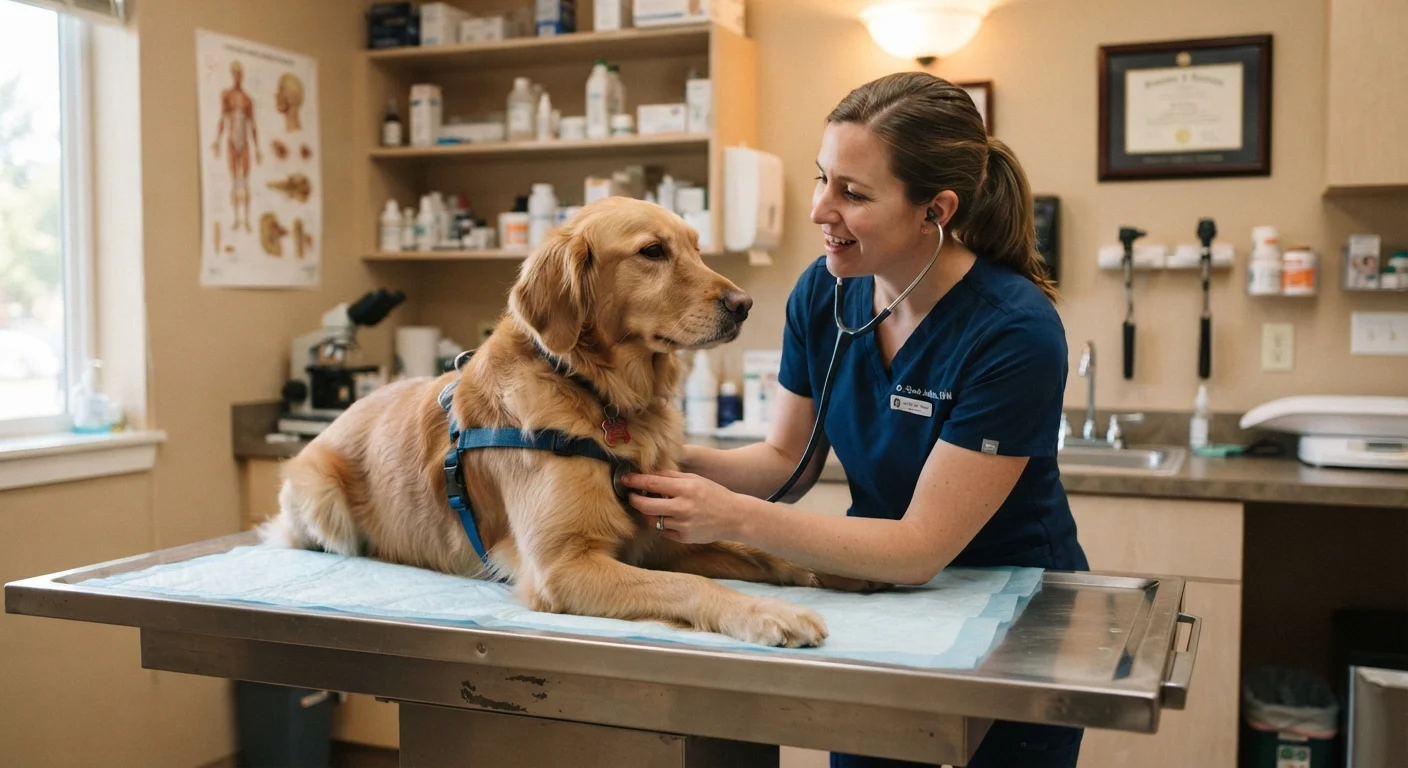
Option A
Annual Vet Visits
The structured, preventive foundation of pet health care.
Best for: Healthy pets of all ages who benefit from scheduled monitoring, vaccinations, and early disease detection.
Option B
As-Needed Appointments
The responsive, targeted care approach for specific concerns.
Best for: Pets showing sudden symptoms, behavioral changes, or managing a diagnosed condition requiring follow-up.
What Each Visit Type Is Actually Designed to Do
Annual wellness exams and as-needed appointments serve fundamentally different purposes — and conflating the two can leave gaps in your pet's care. Understanding the distinction helps you act at the right time, for the right reasons.
A scheduled annual visit is a comprehensive health assessment conducted even when your pet appears perfectly well. Your veterinarian will evaluate weight, coat condition, dental health, organ function, and behavioral patterns, while also administering any due vaccinations. This structure is what makes it preventive: it captures problems before they produce obvious symptoms. Preventive veterinary care typically includes physical exams, parasite screening, bloodwork for older animals, and dental assessments — a package that no single as-needed visit can replicate.
An as-needed appointment, by contrast, is reactive. It's appropriate when your pet vomits repeatedly, limps, stops eating, develops a rash, or shows sudden behavioral shifts. These visits are focused and targeted — your vet is investigating a specific problem, not conducting a full-system review.
| Criterion | Annual Vet Visits | As-Needed Appointments |
|---|---|---|
| Primary purpose | Prevention and early detection | Diagnosis and treatment of specific issues |
| Triggered by | Calendar schedule | Symptoms or observed changes |
| Scope of exam | Full-body health assessment | Focused on presenting concern |
| Vaccinations included | Yes, as due | Rarely, unless overdue |
| Ideal frequency | Once or twice per year | As situations arise |
| Best for | Healthy and senior pets | Acute illness, injury, follow-up care |
| Cost pattern | Predictable, plannable | Variable and unplanned |
How Pet Age and Health Status Should Shape Your Approach
The appropriate cadence of scheduled care changes across your pet's life. Puppies and kittens often see the vet multiple times in their first year to complete vaccination series and parasite prevention protocols — see how vaccination schedules are typically structured for dogs. Adult pets in good health generally follow annual exam cycles. But once a dog or cat enters their senior years — roughly seven and older for most breeds — many veterinarians recommend twice-yearly exams to monitor age-related changes in kidney, liver, thyroid, and cardiac function.
Pets with diagnosed chronic conditions such as diabetes, arthritis, or heart disease often require a hybrid approach: scheduled monitoring exams at defined intervals plus reactive visits when their condition fluctuates. Senior wellness exams differ meaningfully from routine adult checkups, with additional diagnostics built in. If cost is a concern when managing a pet with complex needs, strategies for balancing care and budget can help you prioritize effectively.
~70%
Pets showing dental disease by age three
The American Veterinary Medical Association notes periodontal disease is among the most common conditions seen in adult pets, often detectable only during routine exams.
2×/year
Recommended exam frequency for senior pets
Many veterinary organizations advise twice-annual wellness exams for dogs and cats considered senior, typically those seven years and older.
Recognizing the Signs That Warrant an Unscheduled Visit
One common mistake pet owners make is waiting for the next annual exam when something is clearly wrong. Certain symptoms require prompt veterinary attention regardless of when you last visited the clinic.
Contact your vet without delay if your pet experiences: difficulty breathing, collapse or extreme lethargy, repeated vomiting or diarrhea lasting more than 24 hours, inability to urinate, suspected ingestion of a toxic substance, seizures, or significant trauma such as being struck by a vehicle. Less urgent but still time-sensitive concerns include sudden weight loss, sustained changes in water intake, persistent limping, or new lumps that appear and grow quickly.
Some behaviors can be harder to read. For example, grass-eating in dogs is usually harmless but can occasionally signal gastrointestinal distress. Similarly, oral health issues often develop silently — your pet may not show obvious pain even with significant periodontal disease, making routine exams the only reliable way to catch them.
Annual Doesn't Mean 'Only Once Ever'
The term 'annual visit' refers to a minimum baseline for healthy adult pets — not a ceiling. Your veterinarian may recommend more frequent checkups based on breed predispositions, age, weight, or existing conditions. Always follow your vet's specific guidance over a general schedule.
Structured annual care and reactive as-needed visits aren't competing philosophies — they're complementary layers of the same system. Understanding how wellness plans and pet insurance differ can also help you plan financially for both types of care. The goal is a pet care strategy that neither over-relies on reactive treatment nor substitutes annual checkups for genuine monitoring.
This article is for general informational purposes only and does not constitute veterinary medical advice. Always consult a licensed veterinarian for guidance specific to your pet's health and circumstances.
The content on this site is for informational purposes only and is not a substitute for professional advice. Always consult a qualified professional for guidance specific to your situation.