

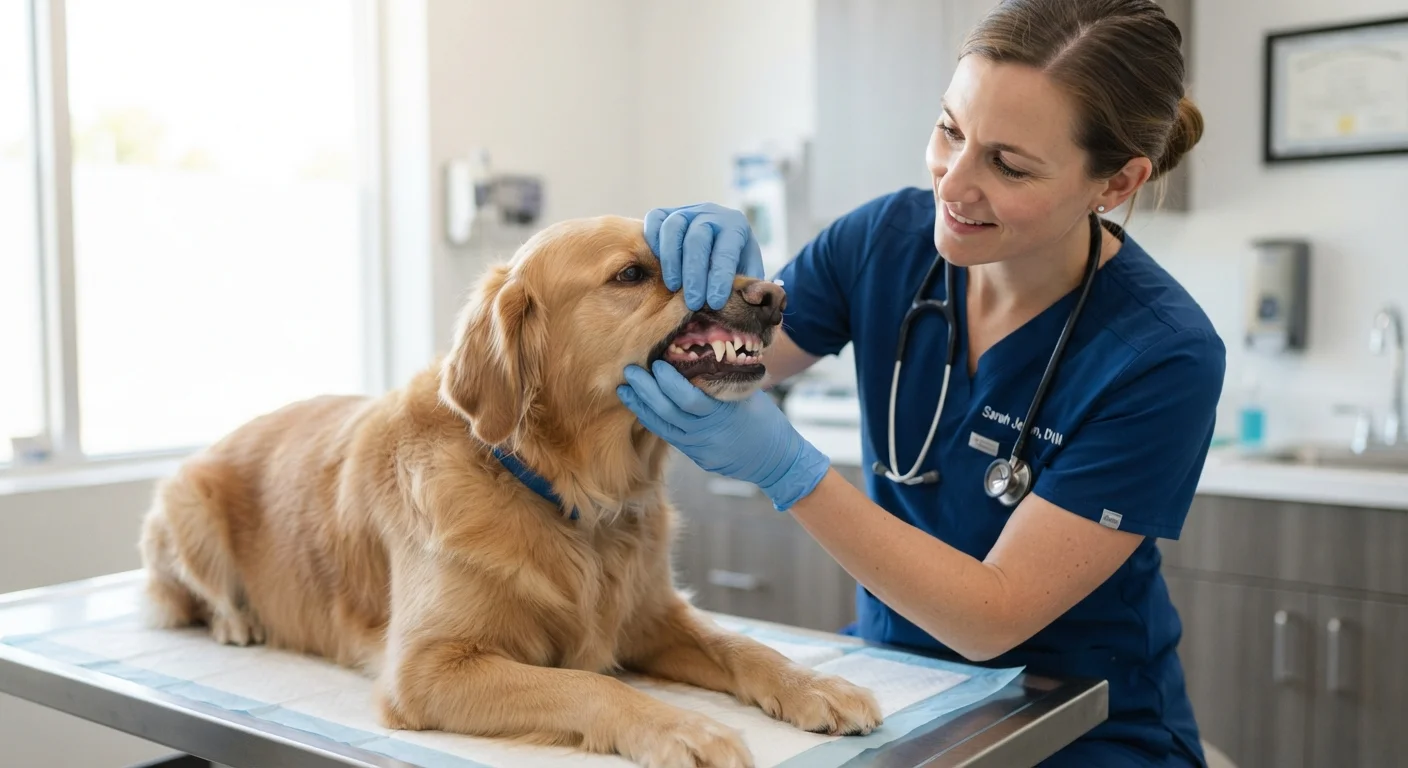
Why Pet Dental Health Gets Ignored
Among the many responsibilities that come with owning a dog or cat, oral care is consistently one of the most neglected. Unlike feeding schedules or vaccination reminders, dental hygiene rarely feels urgent — until it is. The problem compounds quietly over years, often only surfacing once a pet is already in significant discomfort or facing a costly procedure.
This gap isn't due to owner apathy. Most people simply weren't told that dental care is a core component of preventive veterinary medicine. If your pet's first dental checkup came long after puppyhood or kittenhood, you're far from alone. Understanding the most common mistakes — and what to do instead — is the most effective place to start.
For a broader view of what routine care actually entails, see our guide to preventive care for pets.
80%
Adult dogs affected by periodontal disease
According to the American Veterinary Medical Association, approximately 80% of dogs show signs of periodontal disease by age three.
70%
Adult cats with oral disease by age three
Veterinary dental specialists estimate that the majority of cats develop some degree of oral disease within their first few years of life.
Common Dental Care Mistakes — and How to Correct Them
The following mistakes represent the patterns veterinarians encounter most often when assessing a pet's oral health history. Recognizing them is the first step toward building a more effective routine.
Assuming bad breath is normal and not a warning sign.
Why it happens: Many owners treat halitosis as an expected quirk of pet ownership rather than a potential indicator of disease.
Skipping professional dental cleanings because the pet appears fine.
Why it happens: Pets are skilled at masking discomfort, and early-stage dental disease is largely invisible without examination under anesthesia.
Abandoning at-home brushing after a few failed attempts.
Why it happens: Brushing is unfamiliar and often stressful for both pets and owners, leading many to give up after initial resistance.
Relying solely on dental treats or chews as a complete oral care strategy.
Why it happens: Dental chews are easy to incorporate and are marketed prominently, which can create the impression they replace other care.
Ignoring dental health because of cost concerns without exploring options.
Why it happens: Anesthetized dental procedures are a significant expense, and some owners assume nothing affordable is available to them.
Never Use Human Toothpaste on Pets
Fluoride and xylitol — both common in human toothpaste — are toxic to dogs and cats. Always use a toothpaste specifically formulated for pets, and confirm the product is appropriate for your animal's species. Your veterinarian can recommend suitable options.
This article is for general informational purposes only and does not constitute veterinary or medical advice. Always consult a licensed veterinarian for guidance specific to your pet's health.
Building a Realistic Dental Care Routine
Effective dental care doesn't require perfection — it requires consistency. A routine that combines professional veterinary exams, periodic cleanings, and at-home maintenance is far more achievable than most owners expect.
Dental Disease Is a Systemic Health Risk
Oral bacteria from advanced periodontal disease can enter the bloodstream and have been associated with damage to the heart, kidneys, and liver in companion animals. This makes dental neglect more than a cosmetic concern — it's a whole-body health issue. Always consult your veterinarian if you notice changes in your pet's mouth, eating behavior, or breath.
Start by talking with your veterinarian about your pet's current oral health status. From there, you can set realistic goals: perhaps brushing three times per week alongside an annual dental exam. Cats and dogs with predisposing factors — such as brachycephalic (flat-faced) breeds or certain genetic tendencies — may need more frequent attention.
If you're managing care across a tight budget, pet wellness on a tight budget offers practical strategies for prioritizing what matters most. Cat owners can also reference the cat owner's annual wellness checklist to integrate dental care into a broader preventive health plan. And if you're unsure how often your pet actually needs to see a vet, annual vs. as-needed vet visits can help you find the right balance.
The content on this site is for informational purposes only and is not a substitute for professional advice. Always consult a qualified professional for guidance specific to your situation.