

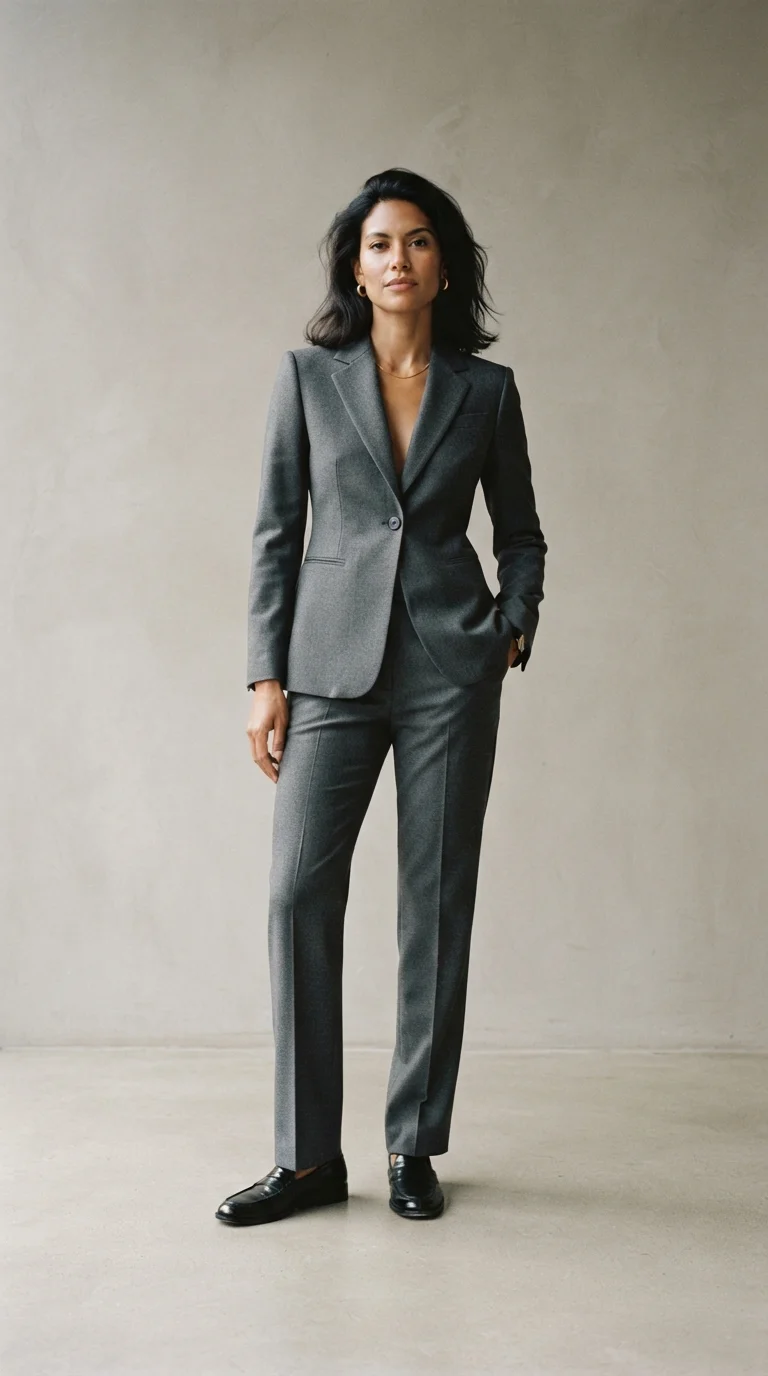
Why Fit Is the Foundation of Every Good Outfit
Fashion advice tends to focus on color, trend, and investment pieces — but experienced stylists and wardrobe editors consistently point to one factor above all others: fit. A garment that fits well communicates intention, proportion, and ease. One that doesn't — regardless of its price tag or label — signals discomfort and draws the eye to the wrong details.
This isn't about conforming to any particular body ideal. Fit is simply the relationship between a garment's construction and the body wearing it. When those two things are aligned, clothes look deliberate. When they aren't, even beautiful pieces fall flat.
Wardrobe habits that make dressing feel difficult frequently trace back to this single issue: items that were purchased in the wrong size, or the right size for one part of the body but not another.
~40%
Shoppers who regularly return clothing due to fit
Industry return data consistently identifies poor fit as the leading reason for clothing returns in the US apparel market.
$10–$30
Typical cost of basic trouser hemming
Simple alterations such as hemming or taking in a waist are among the least expensive tailoring services and can significantly improve garment appearance.
1 in 2
People who wear the wrong size regularly
Fit studies and apparel research suggest roughly half of consumers habitually wear sizes that don't reflect their actual measurements.
The Problem With Standard Sizing
Clothing sizes are derived from population averages — a useful starting point for manufacturing at scale, but a poor match for most actual bodies. Shoulder width, torso length, hip-to-waist ratio, and arm length all vary independently in ways that no single numeric or lettered size can capture simultaneously.
This is why two people wearing the same size label can look completely different in the same garment. Size is a starting point for trying something on, not a guarantee of fit. Accepting this removes a significant source of frustration in shopping.
Try On Garments for the Hardest-to-Alter Point First
When shopping in person, evaluate fit starting at the most structurally complex part of the garment — the shoulder for tops, the seat and rise for trousers. If those areas fit well, smaller adjustments like hem length are manageable. If the critical points are off, no alteration will make the garment work effectively.
For structured garments — blazers, dress trousers, tailored shirts — the distance between "close enough" and "fits well" often comes down to one or two minor alterations. Shoulder seams sitting at the correct point, a waist taken in slightly, or a hem adjusted to the right break at the shoe can collectively transform a garment's appearance.
Key Fit Checkpoints Worth Knowing
Learning to evaluate fit quickly means knowing which points on a garment carry the most visual weight. For tops and outerwear, shoulder seam placement is the master reference: if the seam sits at or slightly past the natural shoulder edge, the rest of the garment hangs correctly. If it droops off the shoulder or pulls inward, no amount of styling compensates for it.
For trousers and jeans, the seat and rise are the primary fit indicators. A seat that sags or pulls across the hips affects the silhouette from every angle. Waistband gap at the back — common for people with a larger hip-to-waist ratio — is one of the most frequent alterations tailors perform.
For dresses and skirts, pay attention to how fabric moves across the hip and whether the hem falls level all the way around. A hem that rides up at the front or sides typically indicates a fit issue at the hips rather than a length problem.
Understanding these checkpoints helps you shop more decisively. See our grounded look at body-type dressing advice for more context on how proportions interact with silhouette.
Fit, Budget, and the Case for Strategic Tailoring
One persistent misconception is that spending more money solves fit problems. It doesn't — not automatically. Higher price points often bring better construction and materials, but a $300 blazer cut for a different body type still won't fit well. As we explore in our article on why investing in quality isn't always the right fashion advice, price and value are not the same thing.
A more reliable approach is to buy for fit first within your budget — accepting that off-the-rack purchases may need minor adjustments — and factor basic tailoring into the cost when shopping for garments you intend to wear regularly. Common alterations like hemming trousers, taking in a waist, or adjusting sleeve length are generally affordable and significantly extend the wearable life of a garment.
Once you understand fit as a foundation, building outfits becomes far more straightforward. The outfit formulas that solve getting dressed in the morning work precisely because they rely on well-fitted basics that combine predictably.
Fit Needs Can Change Over Time
Body proportions shift with age, lifestyle changes, and other factors. A garment that fit perfectly two years ago may no longer sit correctly — and that's a practical reality rather than a reflection of any personal failing. Periodically reassessing your wardrobe with fresh fit criteria helps ensure that what's hanging in your closet is actually wearable, which connects directly to why so many wardrobes feel full but frustrating to use.
Frequently Asked Questions
For visual impact, yes — fit generally matters more than fabric quality at first glance. A well-fitted garment in a modest fabric almost always looks more polished than an expensive fabric cut poorly for your body. That said, quality and fit together produce the best results.
For tops and jackets, shoulder seam placement is the most critical — it should sit at the edge of your shoulder, not drooping or pulled inward. From there, check chest or bust ease, sleeve length, and whether the hem falls where you intend. For bottoms, waistband fit and seat shape are the starting points.
For garments you wear frequently — a work blazer, a go-to pair of trousers, a dress shirt — the cost of basic alterations is usually worthwhile. Simple hemming, taking in a waist, or adjusting sleeve length are among the least expensive alterations a tailor performs.
Standard sizing is built around population averages, which means it fits a statistical midpoint rather than any specific individual. Bodies vary in proportions that sizing charts don't capture — torso length, shoulder width relative to chest, and hip-to-waist ratios all diverge from averages in most real people.
Yes, to a degree. Choosing the right size for your largest measurement and then using a belt, tuck, or strategic layering can improve how a garment reads. Stretch fabrics offer more forgiveness across size ranges. But for structured garments like blazers and dress pants, tailoring typically produces the best results.
The content on this site is for informational purposes only and is not a substitute for professional advice. Always consult a qualified professional for guidance specific to your situation.