

Our Verdict
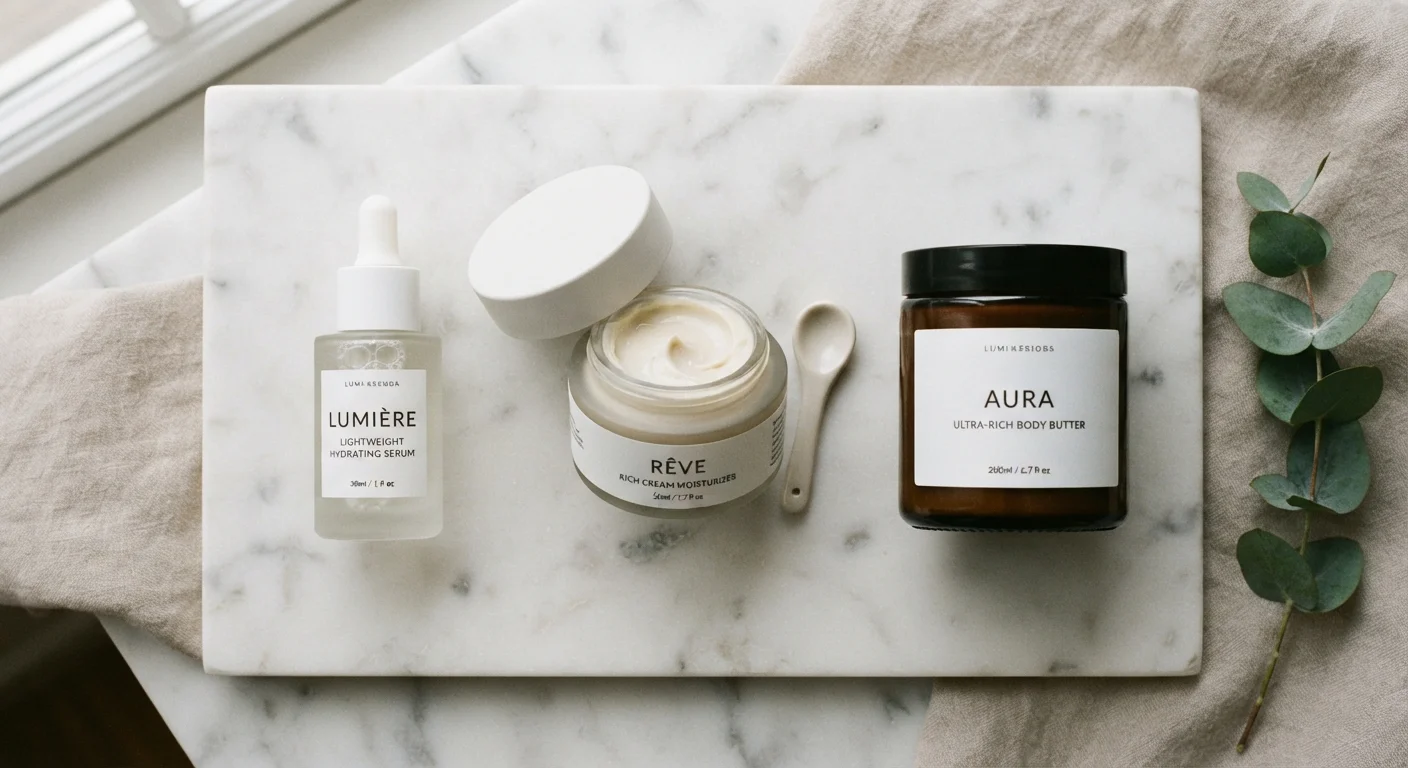
No single product wins across every skin type or season. Lotions suit lighter, everyday hydration needs; cream-based moisturizers cover the middle ground for most people; and body butters deliver serious nourishment for persistently dry or rough skin. Matching the formulation to your skin's actual condition — rather than defaulting to habit — makes the biggest practical difference.
| Best for | Recommended |
|---|---|
| Oily or combination skin in warm, humid months | Lotion |
| Everyday all-body hydration for normal to dry skin | Cream moisturizer |
| Very dry, rough, or cracked skin — especially elbows, knees, and heels | Body butter |
| Sensitive skin prone to irritation from fragrance or additives | Fragrance-free cream moisturizer |
Why These Terms Get Confused
Walk down any drugstore aisle and you'll find shelves stacked with products labeled moisturizer, lotion, body butter, cream, and body milk — sometimes used interchangeably, sometimes describing meaningfully different things. The confusion is understandable: there is no single regulatory definition that forces a product to earn the label "lotion" versus "moisturizer." What actually separates these formulations is their composition — specifically, the ratio of water to oil and the presence of particular functional ingredients.
Understanding those differences helps you stop guessing and start making purposeful choices. For a broader look at how hydration works from the inside out, see how what you drink affects your body.
Breaking Down Each Formulation
Lotion is an emulsion — a mixture of water and a relatively small amount of oil, held together by an emulsifier. Because water is the dominant ingredient, lotions feel light and absorb quickly without leaving much residue. They're generally well-suited to normal or oily skin and work comfortably in warm weather when heavier textures feel stifling.
Moisturizer is technically an umbrella term rather than a single product type. It describes any formulation designed to increase skin hydration, which it accomplishes through one or more mechanisms: humectants (like glycerin and hyaluronic acid) draw water into the skin; emollients (like squalane or fatty alcohols) smooth and soften the surface; and occlusives (like petrolatum or dimethicone) create a film that slows moisture loss. A cream moisturizer typically has a higher oil-to-water ratio than a lotion, making it richer and more appropriate for dry or mature skin.
Body butter sits at the far end of the spectrum. It contains little to no water, relying almost entirely on plant-based fats and oils — commonly shea, cocoa, or mango butter — to coat and protect the skin. That density makes it highly occlusive, meaning it excels at locking in moisture rather than delivering it. For that reason, dermatologists generally suggest applying body butter to damp skin immediately after bathing, when there is existing surface moisture to seal in.
| Lotion | Cream Moisturizer | Body Butter | |
|---|---|---|---|
| Water content | High (water-dominant) | Moderate (balanced emulsion) | Very low to none |
| Texture | Light, thin, fluid | Medium, creamy | Dense, solid or semi-solid |
| Absorption speed | Fast | Moderate | Slow, leaves residue |
| Primary function | Lightweight hydration | Hydration and barrier support | Occlusive moisture sealing |
| Best skin type | Normal to oily | Normal to dry | Dry to very dry |
| Ideal climate | Warm, humid | Year-round | Cold, dry |
| Face-safe | Often yes | Depends on formula | Generally not recommended |
How to Match Product to Skin Need
A few practical factors narrow the choice quickly.
- Skin type: Oily skin generally responds better to lotions or gel-based moisturizers that won't clog pores. Dry and very dry skin benefits from cream moisturizers and, for particularly rough patches, body butters.
- Climate and season: In humid summers, even dry skin types may find a lotion sufficient. Cold winters strip moisture aggressively — this is when richer creams and body butters earn their place.
- Body region: Thinner skin on the arms and legs tolerates lotion well. High-friction zones like elbows, knees, and heels lose water faster and typically need an occlusive product.
- Sensitivity: Heavier formulas often carry more fragrance and preservatives to stabilize them. If your skin reacts easily, check the difference between fragrance-free and unscented labels before selecting any formula.
Apply to Damp Skin for Best Results
The most effective time to apply any moisturizing product — lotion, cream, or body butter — is within two to three minutes of stepping out of the shower, while skin is still slightly damp. This approach helps humectants draw in available surface moisture and lets occlusives form a more effective barrier. Pat skin gently rather than rubbing dry before applying.
For guidance on building a full routine around these products, the correct order for layering skincare products is a useful next reference.
Common Mistakes to Avoid
Even well-chosen products underperform when used incorrectly. Applying any moisturizing product to completely dry skin is less effective than applying it within a few minutes of bathing — a damp surface gives humectants water to work with and gives occlusives something to seal in.
Using a body butter on the face is another frequent misstep. The face has more sebaceous (oil-producing) glands than the body, and rich occlusives can contribute to breakouts in acne-prone individuals. Stick to face-specific formulations there. Similarly, if your current moisturizer seems to have stopped working, the issue is often application timing, skin condition changes, or seasonal shifts — not product failure. The reasons a moisturizer stops feeling effective are worth reviewing before switching products entirely.
Body Butters Are Not Formulated for the Face
Despite their skin-nourishing reputation, body butters typically contain heavy plant fats that can clog pores on the face, particularly for those prone to acne or congestion. Reserve them for the body, focusing on especially dry or rough areas. If you want a rich facial option, look for non-comedogenic creams specifically formulated and tested for facial use.
For related cleanser comparisons that can affect how well your moisturizing step performs, see cleanser vs. face wash.
This article is for general informational purposes only and does not constitute medical or dermatological advice. Consult a licensed dermatologist or healthcare professional for concerns about your specific skin condition.
The content on this site is for informational purposes only and is not a substitute for professional advice. Always consult a qualified professional for guidance specific to your situation.