

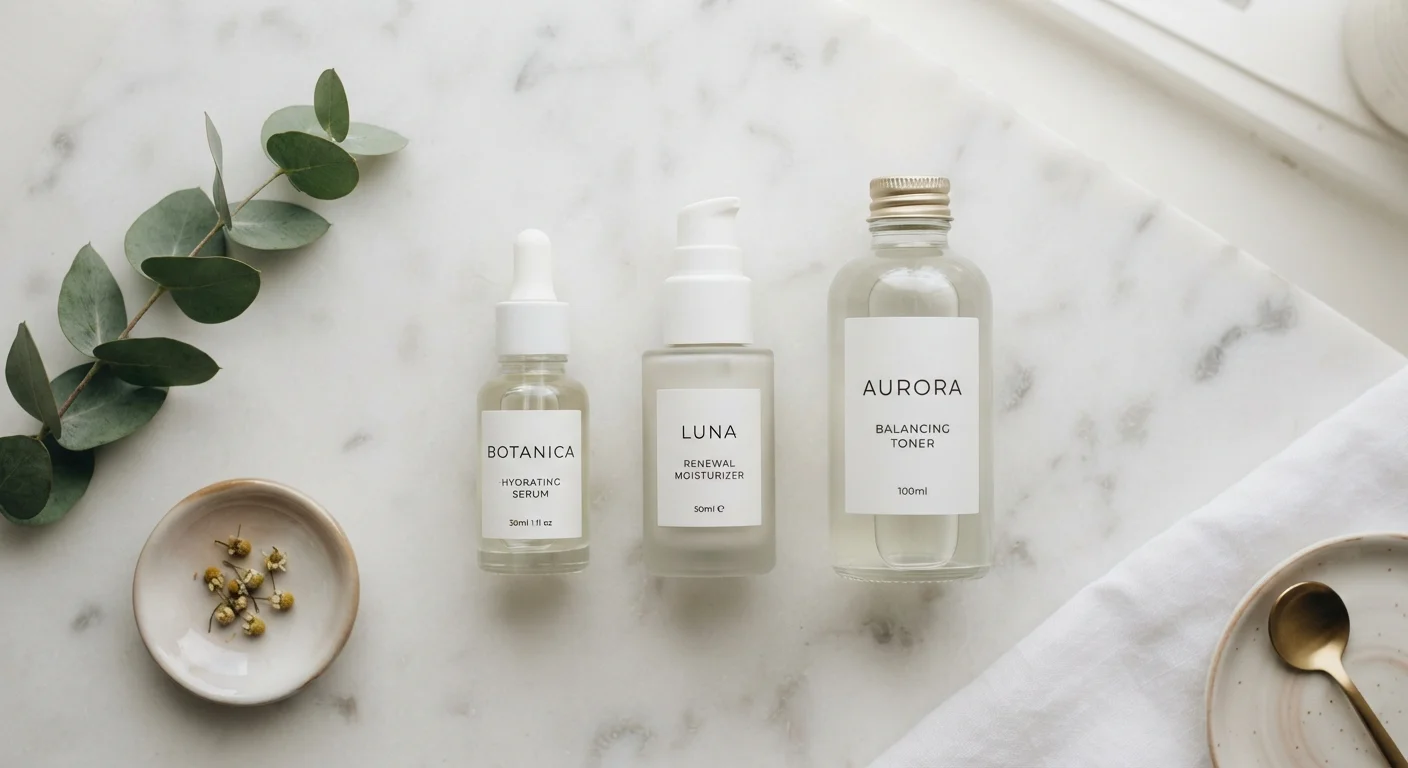
Why These Three Products Confuse People
Walk into any beauty aisle and you'll find toners, essences, and serums shelved side by side, often with nearly identical claims: hydration, radiance, pore refinement. It's no wonder shoppers either buy all three out of obligation or skip them entirely out of confusion.
The honest answer is that these products do overlap in texture and ingredient territory — but they differ meaningfully in purpose, concentration, and where they fit in a routine. Understanding those distinctions helps you decide what's actually worth adding to your regimen.
For a foundational look at how all these steps connect, see our guide for complete beginners. And once you know what each product does, product layering order becomes much easier to follow.
| Toner consistency | Water-thin to slightly viscous liquid |
| Essence consistency | Very watery, lightweight |
| Serum consistency | Lightweight to medium; oil or water base |
| Primary toner function | Prep, hydrate, or gently exfoliate |
| Primary essence function | Layer hydration, condition skin pre-serum |
| Primary serum function | Deliver concentrated active ingredients |
| Typical routine order | Toner → Essence → Serum → Moisturizer |
| Who needs all three? | Not everyone — skin type and goals dictate need |
Toners: The Reset Step After Cleansing
Toners are water-based liquids applied immediately after cleansing. Their original purpose — balancing skin pH disrupted by harsh soaps — is less relevant today since modern cleansers are formulated to be gentler. What modern toners do accomplish depends entirely on their formula.
- Hydrating toners use humectants like glycerin or hyaluronic acid to draw moisture into the skin's upper layers, leaving skin receptive to what comes next.
- Exfoliating toners contain acids (AHAs like glycolic or lactic acid, or BHAs like salicylic acid) to encourage cell turnover. These are active treatments — not appropriate for daily use by everyone.
- Balancing toners aim to reduce excess oil or minimize the appearance of pores, often using ingredients like niacinamide or witch hazel.
Application method matters: exfoliating toners are typically applied with a cotton pad, while hydrating formulas are often pressed directly into skin with clean hands. If you're also using chemical exfoliants in other steps, be mindful of stacking acids — see our overview of chemical exfoliants vs. physical scrubs for guidance.
Humectant
An ingredient that attracts and binds water molecules to the skin, helping maintain hydration. Common examples include glycerin, hyaluronic acid, and aloe vera.
AHA (Alpha Hydroxy Acid)
A class of water-soluble acids derived from natural sources that exfoliate the skin's surface by loosening bonds between dead skin cells. Glycolic and lactic acid are common AHAs.
BHA (Beta Hydroxy Acid)
An oil-soluble acid, most commonly salicylic acid, that can penetrate into pores to exfoliate and reduce congestion. Often recommended for oily or acne-prone skin.
Active ingredient
Any ingredient in a skincare formulation that produces a measurable change in skin function or appearance. Actives require appropriate concentration and formulation to be effective.
Fermented extract
A skincare ingredient created when natural substances like yeast, bacteria, or fungi break down plant material. Fermented extracts are common in Korean beauty products and are valued for their skin-conditioning properties.
Niacinamide
A form of vitamin B3 used in skincare for its ability to help regulate oil production, reduce the appearance of pores, and support a more even skin tone.
Essences: Lightweight Hydration with a Korean Beauty Origin
Essences emerged from Korean beauty routines and occupy a middle ground between toner and serum. They're typically thinner than serums, with a watery consistency, and their primary job is to deliver a concentrated but lightweight wave of hydration and skin-conditioning ingredients before treatment steps.
Common essence ingredients include fermented extracts, hyaluronic acid, panthenol, and botanical compounds. The fermentation process used in many Korean essences is thought by formulators to make certain actives more bioavailable, though the clinical evidence on this specific claim is still developing.
Essences aren't strictly necessary — especially if a well-formulated hydrating toner is already in your routine. They shine most for people with dry or dehydrated skin who want to layer moisture without the weight of a heavy serum. They're also a gentle entry point for anyone new to multi-step routines.
Do You Need All Three?
Not necessarily. A toner and a targeted serum cover most routines adequately, especially for people new to skincare or with straightforward concerns. Essences add value for dry or dehydrated skin types seeking extra layers of lightweight moisture. If your routine already feels effective, adding a product category without a clear purpose may not improve your results.
Serums: Where Targeted Treatment Happens
Serums are the workhorse of the group. They're formulated with a high concentration of active ingredients in a lightweight base designed to penetrate beyond the skin's surface. Where toners prepare and essences hydrate, serums treat.
Because their ingredient list drives everything, choosing a serum should start with identifying a specific concern:
- Vitamin C serums address uneven tone and support a brighter complexion.
- Retinol serums are widely studied for their role in supporting skin cell turnover and reducing the appearance of fine lines. (Note: retinol requires gradual introduction and sun protection — consult a dermatologist if you have sensitive skin or specific conditions.)
- Niacinamide serums target pore appearance, redness, and oil balance.
- Hyaluronic acid serums focus on plumping and retaining moisture.
Because serums are concentrated, using more than one at a time requires care. Pairing incompatible actives — vitamin C with certain forms of niacinamide at high concentrations, or multiple acids — can reduce effectiveness or cause irritation. Our article on reading ingredient lists can help you decode what's actually in a formula.
This article is for informational purposes only and does not constitute medical or dermatological advice. Consult a licensed dermatologist for concerns about your skin's health or before introducing new active ingredients.
The content on this site is for informational purposes only and is not a substitute for professional advice. Always consult a qualified professional for guidance specific to your situation.